Dual Realities is a book that asks a very old and very difficult question: do humans truly have free will, or are their choices shaped by forces they do not see? What makes this book stand out is not just the question itself, but the way it is explored. This book does not try to confuse the reader or sound overly complex. But it takes a calm, patient approach and invites the reader to think slowly and carefully.
From the first pages, the reader can tell that this book is supposed to be understood, and not admired. The ideas are serious, but the tone stays clear and grounded. The reader is not pushed toward a single answer. Rather, the book opens space for thought and reflection.
As a reading experience, Dual Realities maintains a steady, respectful tone. It guides.
What To Expect From The Book
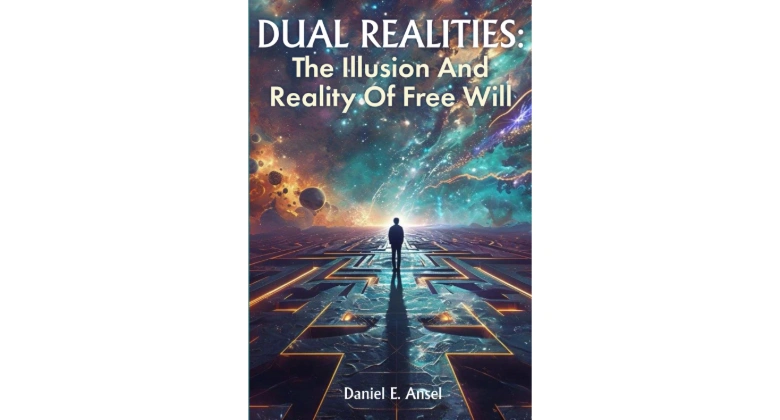
Reading Dual Realities makes you think of being part of a long, thoughtful conversation. The book does not try to argue with the reader or prove a point. But it explains ideas in a calm, open way, as if inviting the reader to think along with it.
The reader may notice that the book moves at a careful and steady pace. Each idea is given enough time to settle before the next one appears. Concepts are not thrown at the reader all at once, which helps prevent confusion or overload.
Because of this pacing, the reading experience feels calm rather than stressful. The reader is never made to feel rushed or pressured to understand everything immediately. There is room to pause, reflect, and continue when ready.
There is also a clear feeling that the book trusts the reader. It does not assume deep knowledge of philosophy, but it also does not speak in a childish or simplified way. This balance makes the book feel respectful and welcoming.
As the reader moves through the book, they are encouraged to pause and think about their own beliefs. The book gently invites questioning without demanding answers. This makes the reading experience feel personal and engaging rather than passive.
How Clearly the Book Explains Big Ideas
One of the strongest qualities of Dual Realities is how clearly it explains big and difficult ideas. Topics like free will, choice, control, and awareness are often hard to understand, but this book makes them feel approachable.
Instead of using heavy or complex language, the book breaks ideas into simple steps. It explains what is being discussed, why it matters, and how it connects to everyday life. This helps the reader stay focused and interested.
The reader never feels lost while reading. Even when the ideas become deeper, the writing stays clear and steady. Each concept builds naturally on the one before it.
Because of this clarity, the book feels accessible to many different readers. Both new readers and those familiar with the topic can follow the discussion without feeling overwhelmed. This clear approach strengthens the book and makes its ideas easier to remember.
The Book’s Approach to Free Will
Rather than telling the reader what to believe, Dual Realities takes a careful and open approach to the idea of free will. The book does not argue in a loud or forceful way. Instead, it lays out different ways of thinking and allows the reader to sit with them.
The book looks closely at how humans feel choice in their daily lives. It asks whether this feeling always matches what is really happening beneath the surface. This question is handled with care. The book never says the reader is wrong for believing in free will, and it never says belief alone is enough.
The reader can feel that the book is not rushing to reach a final answer. Ideas are introduced slowly. Examples are shared, and questions are raised without pressure. After presenting a thought, the book often steps back and allows space for reflection.
This approach works very well for the subject. Free will is personal, and the book respects that. It does not feel one-sided or pushy. The reader feels free to agree, disagree, or simply think quietly about what has been presented.
How the Book Engages the Reader’s Own Thinking
One of the strongest parts of Dual Realities is how deeply it engages the reader’s own thinking. While reading, the reader may begin to notice patterns in their thoughts that were not clear before.
The book often invites the reader to look at small, everyday choices. Simple actions, habits, and reactions are used as examples. This makes the ideas feel close to real life rather than distant or abstract.
As a result, the reader may start to question how much control they truly have in daily life. Some readers may feel curious. Others may feel slightly uncomfortable. Both reactions feel natural and intentional.
This kind of personal engagement keeps the book interesting from start to finish. The reader is not just absorbing information. The reader is actively thinking along with the book.
Tone and Voice of the Book
The tone of Dual Realities stays calm and respectful from beginning to end. The reader never feels talked down to, and the book never sounds angry or impatient. Even when discussing difficult ideas, the writing remains gentle and steady.
The voice feels careful, as if the book is choosing each word with purpose. Nothing feels rushed or careless. This makes the reader feel safe while reading, especially when the ideas begin to challenge familiar beliefs.
The book does not try to pressure the reader into agreement. There is no sense of argument or debate. Instead, the reader feels guided through ideas step by step, at a pace that feels comfortable.
Because free will is a personal and sensitive topic, this calm voice works very well. It allows the reader to stay open and thoughtful rather than defensive or resistant. The tone supports reflection instead of conflict, which strengthens the reading experience.
Structure and Flow of the Book
The structure of Dual Realities plays an important role in how easy the book is to read. Ideas are introduced in a clear and thoughtful order. Each section builds on what came before, so the reader never feels lost.
While reading, there is a clear sense of movement. The book does not circle around the same idea for too long, and it does not jump ahead suddenly. Each idea leads naturally into the next.
Even when the topics become deeper or more challenging, the flow stays smooth. The reader does not feel overwhelmed or confused. This steady flow makes the book feel organized and intentional.
Because of this strong structure, the reader feels confident while moving through complex ideas. The book feels well planned, which adds to its sense of clarity and trust.
The Reader’s Emotional Response
Although Dual Realities is not emotional in a dramatic way, it still creates a meaningful emotional response. The feelings that arise come from recognition rather than excitement or shock.
The reader may feel curiosity when familiar ideas are questioned. There may also be moments of quiet discomfort when personal beliefs are gently challenged. These emotions do not feel forced or sudden. They develop naturally as the reader engages with the book.
The book does not try to control how the reader should feel. It does not rush emotional moments or push for strong reactions. Instead, it allows space for reflection.
This emotional balance fits the subject very well. It adds depth to the reading experience without making it heavy or overwhelming.
How Easy the Book Is to Read
One reason Dual Realities works so well is because it is easy to read, even though it deals with deep and serious ideas. The language stays clear and direct, which helps the reader stay focused on the message.
The sentences are not long or complicated. Ideas are explained in a way that feels natural rather than heavy. Because of this, the reader does not feel tired or confused while reading.
The book does not require special background knowledge. Readers do not need to be familiar with philosophy or theory to understand what is being discussed. This makes the book feel open and inviting.
The simplicity of the writing allows the ideas to stand out. Nothing feels hidden behind difficult words or complex phrasing. The focus remains on meaning rather than language, which strengthens the overall reading experience.
Who This Book Feels Written For
Dual Realities feels written for readers who are curious about how the mind works and how choices are made in everyday life. It does not feel limited to experts, scholars, or academic readers.
Readers who enjoy thinking about behavior, habits, and decision-making will likely connect with the book. At the same time, readers who are new to philosophical ideas will not feel excluded.
The book does not expect the reader to already have answers. It does not test knowledge or demand agreement. Instead, it welcomes questions and curiosity.
This open and inclusive approach makes the book feel inviting and accessible to a wide range of readers.
Pacing and Reading Comfort
The pacing of Dual Realities feels steady and well controlled throughout the book. The reader never feels rushed from one idea to the next. Each point is given enough time to settle before the book moves forward.
At the same time, the book does not stay on one idea for too long. It avoids dragging or repeating itself. This balance keeps the reading experience smooth and comfortable.
Because of this pacing, the book is easy to read over time. The reader can pause, reflect, and return later without feeling lost or confused. The ideas come back naturally.
This steady pace supports reflection rather than speed. It allows the reader to think, question, and absorb the ideas at their own rhythm. For a book about free will and choice, this pacing feels especially well suited.
Final Thoughts
Dual Realities is a book that succeeds by staying honest, clear, and thoughtful. It explores a deep topic without losing the reader.
For readers interested in free will, choice, and the nature of thought, this book offers a meaningful and rewarding experience. It is not a book that tells the reader what to think. It is a book that helps the reader think better.