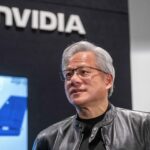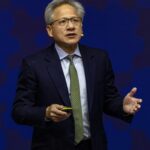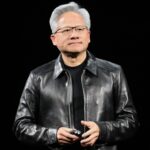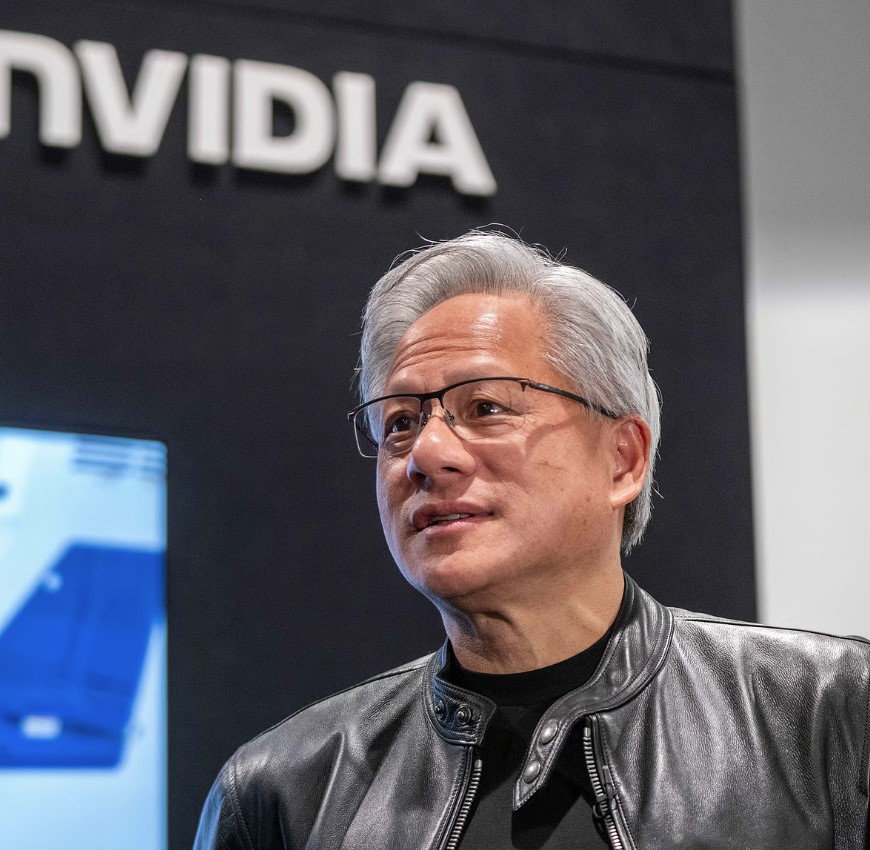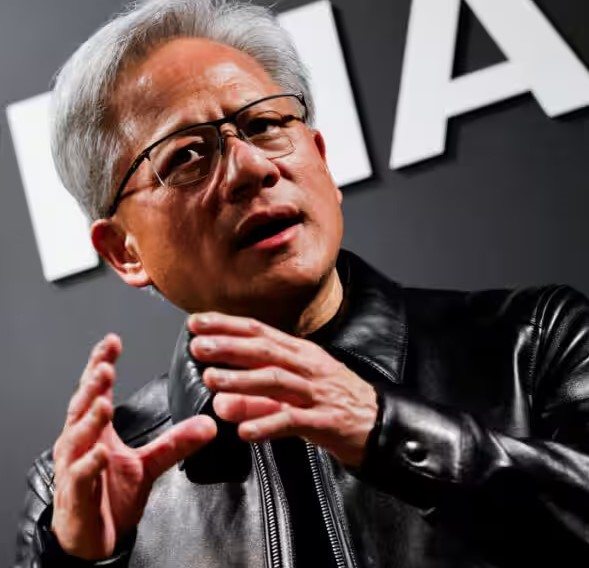
Nvidia announced on November 12 that Jensen Huang has resigned as president, chief executive and board member, effective immediately. He leaves the chipmaker he co-founded 33 years ago and built into a $4 trillion company that powered the AI boom. The exit is the most dramatic turn yet in a scandal that began as a board inquiry only days earlier. No criminal charges have been reported, and the allegations have not been tested in court. But within a week the story has moved from a personal admission to a leadership crisis, a congressional investigation and an open question about whether the founder might return. nvidiaCNBC
Huang resigned after revelations that he had an affair with a suspected Chinese spy. Reports also pointed to relationships with two women, one of them allegedly the suspected spy. Earlier coverage had focused on a board-led inquiry and on reports that directors were weighing his future. That question has now been answered. The board accepted his resignation rather than waiting for an investigation to conclude, and Huang himself was not quoted in the company’s announcement. CNBCCNN
CFO Colette Kress has been named interim CEO while the board searches for a permanent successor. Harvey Jones has been appointed the board’s first-ever chair. The board said it has full confidence in Kress and the leadership team, and expects operations, customer commitments and the product roadmap to continue without interruption. Kress said she is committed to building on the foundation Huang created over three decades. The search will consider both internal and external candidates. Kress keeps her CFO role while serving as interim chief, which means one executive now carries both the financial reporting and the company’s public face during its most uncertain period in years. Nvidia CEO Jensen Huang resigns: Live updates +4
Washington is where the pressure now sits. On November 4, Republicans Brian Mast, John Moolenaar and Rick Crawford sent Huang a letter asking him to appear before their committees. The committees have since requested a transcribed interview with Huang on December 1, and with Nvidia general counsel Tim Teter on December 2. Huang has agreed to testify, and Mast said the two sides were negotiating which day. Mast added that the committees were ready to issue a subpoena if Huang withdrew his agreement. On the Senate side, the Banking Committee chairman asked Huang to appear on December 3 and said a subpoena was possible. Commerce Secretary Howard Lutnick has agreed to appear voluntarily and is scheduled to testify on December 10. Former Nvidia CEO Jensen Huang agrees to testify before US Congress by Thanksgiving +5
The investigations are expected to go beyond one man’s conduct. Lawmakers are preparing to examine how the affair may have damaged US AI dominance, the national security implications, and Huang’s close relationship with President Donald Trump and his Cabinet. That last strand is politically sensitive. Huang attended the state dinner Trump hosted for Chinese President Xi Jinping on September 24. There is also a calendar problem for any subpoena. House Republicans lose control of their committees in January, so a subpoena issued now could expire, and Democrats would need to issue a new one. That helps explain why the current chairmen are pressing for answers before the year ends. Nvidia is done with Jensen Huang. The fallout in Washington is just beginning +2
The president’s role is part of the story. The New York Times reported that Trump called Huang and urged him to fight to keep his job. Trump has since described the saga as a horrible thing and said it is sad to see. CNBC noted that Huang’s exit is the latest setback for Silicon Valley billionaires who bet big on Trump. The White House has not publicly detailed what was said in the call, and what the administration knew about Huang’s contacts remains one of the central questions lawmakers want answered. Nvidia CEO Jensen Huang resigns: Live updates +2
The market has reacted hard. Nvidia stock lost 15 percent last week and is now down about a third from its October peak. CNN put the lost market value at $1.76 trillion. Shares closed at $166.19 on Thursday, more than 30 percent below their October high. One analysis noted the forward price-to-earnings ratio has fallen to about 11, as cheap as the stock has ever traded. Some investors see a sharp overreaction to a governance problem at a company whose underlying demand has not changed. Others argue that founder-led companies carry a premium that does not disappear quietly when the founder leaves. Should You Buy Nvidia Stock Before Nov. 17? +3
Then there is the counter-movement. An online petition calling for Huang’s reinstatement has drawn more than 160,000 signatures, with Elon Musk among the prominent tech executives backing it, according to the petition’s website. The Financial Times reported that Huang has discussed a possible return with close confidants. Major shareholders Altimeter Capital and Atreides Management have urged the board to consider all leadership options, including his potential return. The board has not publicly responded. A return would sit awkwardly beside the congressional process and the board’s own decision to accept his resignation, and a petition is a measure of sentiment, not a corporate process. Tech world’s calls for Jensen Huang to return to Nvidia are growing +2
All of this lands on a company with a very strong business. In the first quarter of fiscal 2027, Nvidia reported record revenue of $81.6 billion, up 85 percent from a year earlier. Second-quarter revenue reached $96.2 billion, up 106 percent. The company guided to $108 billion for the third quarter and confirmed that results will arrive as previously scheduled on November 17. Consensus sits near $109 billion in revenue and $2.47 in adjusted earnings per share, with results around 4:20 pm New York time and the call at 5 pm. The stock has fallen the day after three of the company’s last four reports. Analysts say the outlook and the leadership message will matter most, including who will shape Nvidia’s longer-term strategy. It is the first report without Huang as CEO. NVIDIA CORP – Form 8-K – FY2026 +5
Three things will decide the next chapter: how Kress handles her first call as interim chief, what Huang says under oath, and whether the board holds its position or yields to the push to bring him back. Much remains unknown. It is not public what, if anything, was shared with the woman in question, what US officials knew and when, or whether any chip sales were affected. The government has not released its evidence, and the findings of the board’s own investigation have not been made public. For a company that supplies the chips behind much of the AI industry, the stakes extend well beyond one executive, and the answers will come in a compressed window over the next three weeks.