Explosions Near Damascus Hotel During Macron Visit Raise Security Concerns

Explosions Near Damascus Hotel During Macron Visit Raise Security Concerns
Damascus Blasts near a luxury hotel in Damascus hosting members of French President Emmanuel Macron’s delegation have cast a fresh spotlight on Syria’s fragile security situation, underscoring the challenges facing the country’s new leadership as it seeks international recognition and economic recovery.
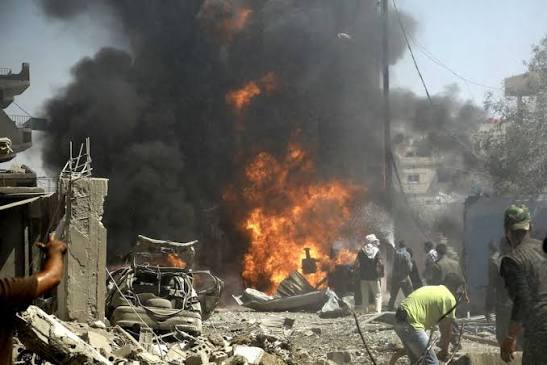
At least 18 people were injured on Tuesday after two improvised explosive devices detonated near the Four Seasons Hotel in the Syrian capital, according to Syrian authorities. The hotel, one of the city’s most heavily guarded locations, regularly accommodates diplomats, United Nations staff and visiting foreign officials.
Also Read: Prince Harry’s UK Return Overshadowed by Buckingham Palace Dispute as Royal Rift Deepens
Macron was not at the hotel when the blasts occurred. The French president was attending a meeting with Syrian President Ahmed al-Sharaa at the presidential palace, and his visit continued as scheduled despite the incident.
Syrian state media later released images of Macron and Sharaa meeting in Damascus, seeking to project an image of normalcy following the explosions.
The attack, however, comes at a sensitive moment for Syria’s post-war leadership, which has spent months attempting to reassure foreign governments and investors that the country is moving toward stability after years of conflict.
Macron’s trip is widely seen as a diplomatic milestone. He is the first major Western leader to visit Syria since former president Bashar al-Assad was toppled in December 2024, marking a significant step in the country’s gradual reintegration into international diplomacy.
French officials have been among the most vocal supporters of Syria’s new administration, advocating for increased engagement with Damascus and pushing for measures aimed at easing the country’s economic isolation.
The visit also carries substantial economic importance.
Macron’s delegation reportedly includes prominent French business leaders, among them Jacques Saadé, head of global shipping giant CMA CGM and a businessman with Syrian roots. The visit is expected to result in agreements aimed at boosting trade and encouraging investment in a country devastated by more than a decade of war.
Tuesday’s explosions are likely to raise fresh concerns among international investors assessing the risks of returning to Syria.
The country’s economy remains in deep crisis. The United Nations estimates that around 90 percent of Syrians live below the poverty line, while years of fighting have left infrastructure, healthcare systems and public services severely damaged.
Basic necessities, including electricity and clean water, remain inconsistent in many parts of the country, including the capital.
The attacks also highlight the continuing security threats facing the new government.
According to Syria’s Interior Ministry, one of the devices had been placed inside a rubbish bin while another was hidden in a parked vehicle. Authorities said an investigation had been launched to determine who was responsible.
Also Read: Is Mitch McConnell Dead? What We Know
A video circulating online appeared to show police officers standing near a bin moments before it exploded, injuring several security personnel.
No group immediately claimed responsibility for the blasts.
The incident follows another deadly bombing in Damascus last week, when an improvised explosive device detonated inside a crowded café near the Justice Palace, killing at least 10 people and injuring more than 20 others.
Those attacks have renewed fears that militant groups and other armed factions remain capable of carrying out operations in the Syrian capital despite government efforts to restore order.
Syria’s authorities continue to face threats from several actors, including remnants of extremist organizations and groups linked to the former Assad government.
Although violence in Damascus had declined significantly over recent months, security incidents elsewhere in the country, including assassinations and kidnappings, have demonstrated the difficulties confronting the new administration as it seeks to consolidate control.
For President Sharaa, Tuesday’s explosions represent an unwelcome setback during one of the most important diplomatic moments of his presidency.
Since taking office, Sharaa and his ministers have sought to distance themselves from their origins in the Islamist movement Hayat Tahrir al-Sham and present themselves as pragmatic leaders focused on reconstruction and national reconciliation.
Winning international legitimacy and attracting foreign investment have become central pillars of the government’s strategy for rebuilding the country.
The presence of Macron in Damascus was therefore intended to signal growing international confidence in Syria’s political transition.
Instead, the blasts served as a reminder that the country’s path toward stability remains uncertain.
Security analysts say investor confidence in post-conflict countries is often closely linked to perceptions of safety and political stability. High-profile incidents occurring during state visits can therefore have an outsized impact on international perceptions, even if they do not directly target visiting leaders.
Despite the explosions, there has been no indication that France intends to alter its approach toward Syria or suspend diplomatic engagement.
French officials have repeatedly argued that rebuilding Syria and reintegrating it into the international community will require sustained engagement and economic support.
The incident nevertheless illustrates the formidable challenges facing Damascus as it attempts to move beyond years of war and position itself as a destination for investment and reconstruction.
For many Syrians, economic recovery remains the government’s most urgent test.
The country faces enormous reconstruction costs, widespread unemployment and persistent humanitarian challenges. Any setbacks to efforts aimed at restoring investor confidence could complicate attempts to revive an economy that has been battered by years of conflict, sanctions and political isolation.
As investigators work to identify those responsible for Tuesday’s explosions, the attacks have once again underscored a difficult reality: while Syria may be entering a new political chapter, the road to lasting stability remains fraught with uncertainty.
Also Read: Elon Musk Falls Below $1 Trillion as SpaceX Share Decline Erases Billions From Fortune

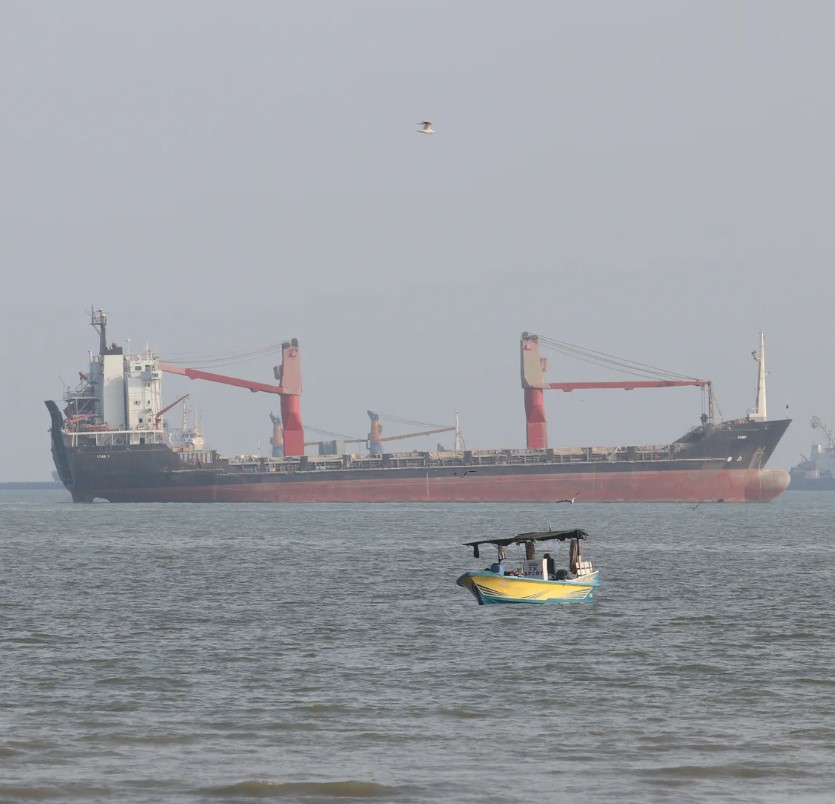
Iran’s Revolutionary Guard says a container ship carrying more than 2,500 containers sank near the Strait of Hormuz after hitting a naval mine, while shipping officials report two Singapore-registered vessels were hit by unknown projectiles.
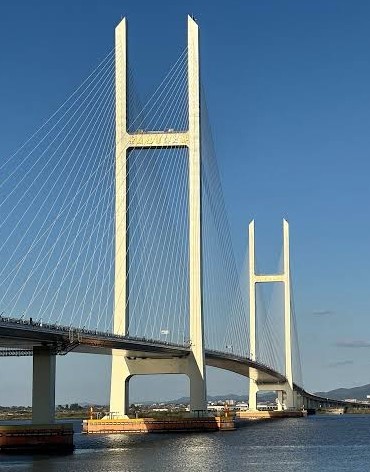
Trucks decked with flags crossed the 3-km New Yalu River Bridge on Thursday as China and North Korea officially opened their most significant land border crossing, 12 years after the bridge was completed.
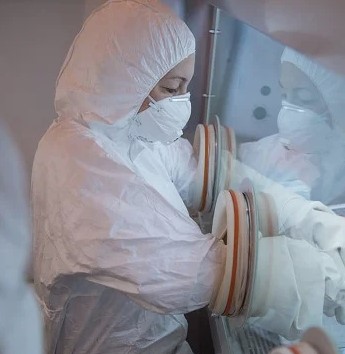
Hong Kong has added temperature checks and travel declarations for flights from Russia after a lab worker’s death in Siberia.
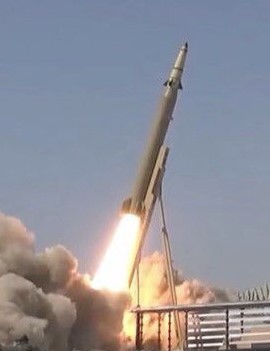
About 20 percent of the world’s oil passes through the Strait of Hormuz, where Iran and the US are trading threats.