Egyptian police have arrested all six journalists of the fact-checking outlet Matsaddash, accusing them of spreading misinformation for the banned Muslim Brotherhood, a charge the outlet denies.


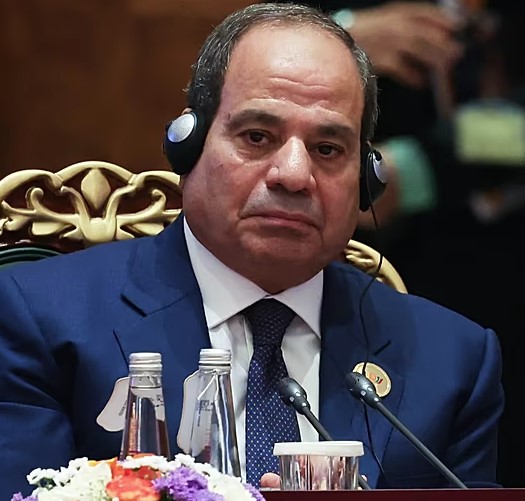
Egyptian police have arrested all six journalists of the fact-checking outlet Matsaddash, accusing them of spreading misinformation for the banned Muslim Brotherhood, a charge the outlet denies.
Egyptian police have arrested all six journalists of Matsaddash, a fact-checking and investigative media outlet, accusing them of spreading misinformation on behalf of the banned Muslim Brotherhood, an allegation the publication denies and one that leaves a small independent newsroom without any of its staff.
The arrests took place in the entire newsroom of Matsaddash, a digital platform that has operated since 2018, according to the Egyptian Initiative for Personal Rights (EIPR), the rights group that is providing the journalists with legal representation. The EIPR said plainclothes security personnel began raiding the journalists’ homes on Monday evening, September 28, and confiscated electronic devices. The reporting reviewed does not name the six journalists, say where they are being held, or confirm whether formal charges have been filed, details that will matter as the case moves through the legal system.
In a statement disclosing the arrests, Egypt’s interior ministry accused the site of being managed from abroad as part of the “terrorist Muslim Brotherhood’s media apparatus,” with the help of Brotherhood “elements” inside the country. Egypt banned the Muslim Brotherhood as a terrorist group in 2013, the year the army overthrew President Mohamed Mursi, a Brotherhood member who had been democratically elected. That history gives any allegation of Brotherhood ties serious legal weight in Egypt, where the group’s designation as a terrorist organization shapes how authorities treat people accused of working with or for it.
Matsaddash rejected the accusation, denying any affiliation with the Brotherhood. In a statement, the outlet pointed to reports it had published correcting what it described as misinformation spread by Brotherhood-affiliated media outlets, arguing that its own work challenged the group’s claims instead of amplifying them. The dispute turns on that point. The authorities say the outlet is a Brotherhood operation presenting itself as an independent fact-checker, while the outlet says its published record shows the opposite. The reporting reviewed contains no independent evidence for either position, and the ministry’s claim that the site was run from abroad has not been substantiated publicly.
The case fits a pattern that journalists and activists have long described in Egypt. Reuters notes that journalists and activists have frequently been arrested on charges of spreading false news and rumours, and that many independent outlets say they struggle to operate under restrictive conditions. Here, the arrests removed an outlet’s entire staff at once, which means the public account of the case may for now be shaped mainly by the interior ministry and by the EIPR, the only named organization representing the detainees.
Also Read: Russian Daredevil Couple Arrested After Empire State Building Proposal Stunt
The scale of the problem is reflected in figures from the Committee to Protect Journalists (CPJ), which says 19 journalists are currently detained in Egypt. It is not clear from the reporting reviewed whether that count already includes the six Matsaddash staff. If it does not, the arrests would raise the number of detained journalists considerably, making the Matsaddash case one of the larger single episodes in a country where press freedom groups regularly document pressure on reporters.
The confiscation of electronic devices adds another unknown. For a newsroom whose work is built on research, documents and sources, seized phones and computers could hold notes, contacts and unpublished material. The reporting reviewed does not say what authorities intend to do with them or whether the journalists have been able to recover them.
Fact-checking outlets occupy a delicate position in polarized media environments, because their work involves publicly contradicting claims made by powerful actors, whether governments, opposition movements or banned groups. That role can draw suspicion from every side, and Matsaddash’s defence rests on exactly that kind of work. Whether prosecutors treat its corrections of Brotherhood-linked reporting as evidence of independence or as cover for a hidden affiliation will likely determine how the case proceeds.
What happens next will depend on prosecutors, who in Egypt can order suspects held while an investigation continues. The reporting reviewed does not say what has happened in this case, so details such as hearing dates, access to lawyers and the fate of the confiscated devices are still unknown. The EIPR’s role as legal counsel means its statements are likely to be the main public source of updates on the journalists’ status.
For now, the case rests on two incompatible accounts. The interior ministry says it has dismantled a Brotherhood-run media operation, while the outlet and its legal representatives say journalists have been detained for fact-checking. Until prosecutors publish specific charges or evidence, or the journalists are able to speak for themselves, the public record will remain limited to the claims of the two sides.


Two critical vulnerabilities in PHP, found with the help of AI models and dubbed PHP2Shell, prompted emergency patches and temporary website shutdowns around the world this week.
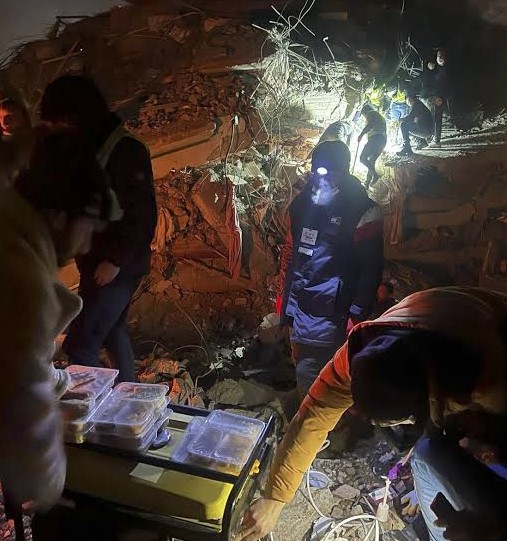
A magnitude 7.0 earthquake struck a remote, high-altitude area of northern Tibet on Thursday night, killing at least 16 people and collapsing more than 300 houses, according to Chinese state media.
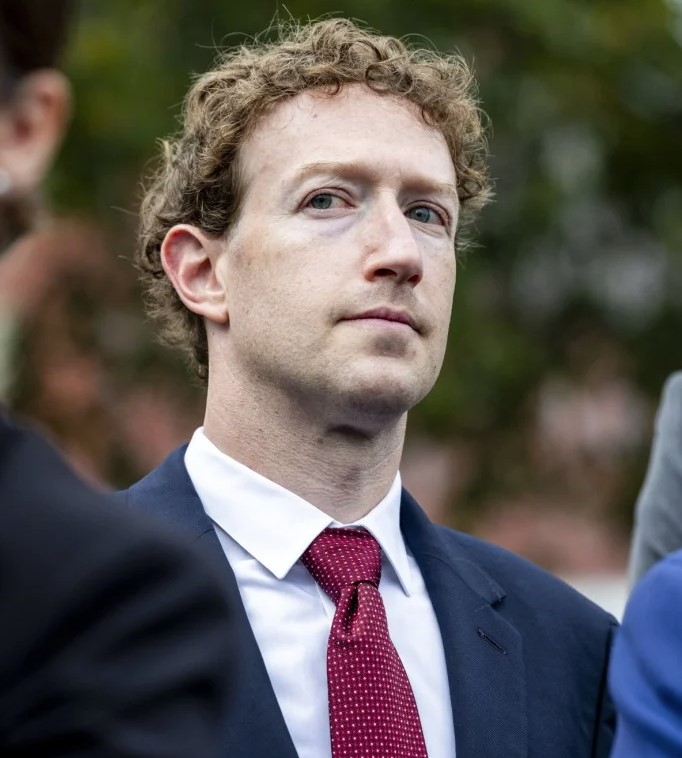
A New Mexico judge ordered Meta to pay the state $25 billion on Wednesday after a jury found the company misled consumers about data privacy, in one of the largest financial penalties in US history.
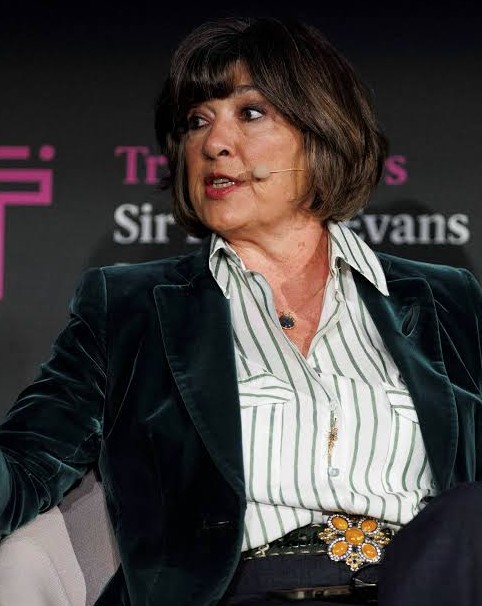
Christiane Amanpour, 68, announced on Monday that she will leave CNN at the end of June 2027 after 43 years, scaling back her show to once a week from early 2027.