Students and riot police clash in Saint-Denis, near Paris, on October 1 as protests over staff shortages and run-down school buildings spread across France, with Prime Minister Sébastien Lecornu calling a crisis meeting.

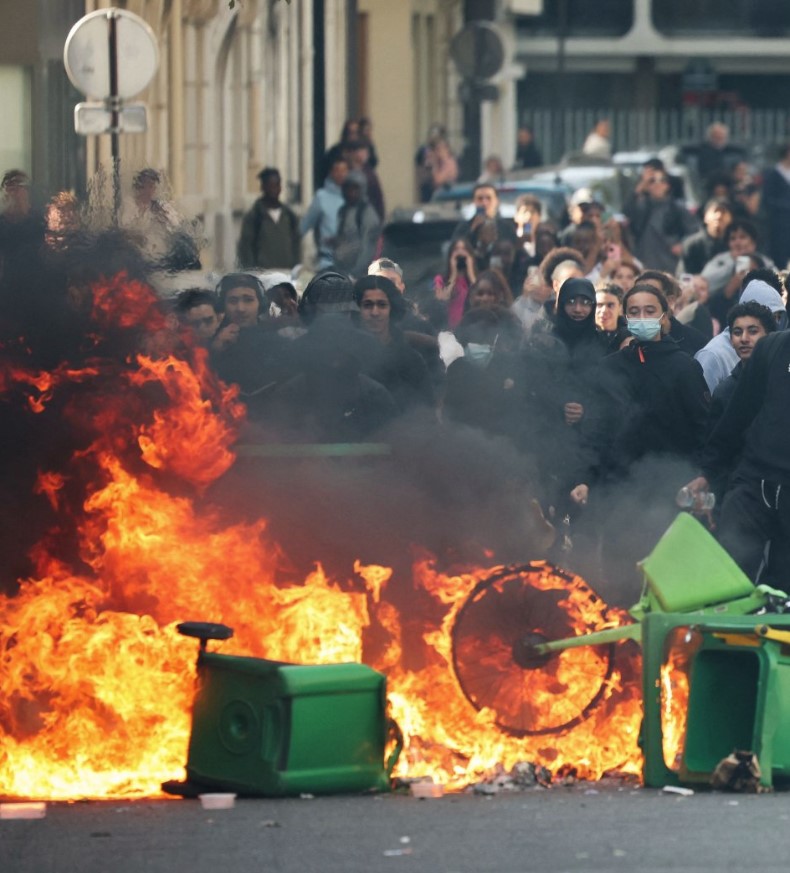
Students and riot police clash in Saint-Denis, near Paris, on October 1 as protests over staff shortages and run-down school buildings spread across France, with Prime Minister Sébastien Lecornu calling a crisis meeting.
Student protests over staff shortages and dilapidated school buildings turned increasingly violent across France on Thursday, October 1, with a headteacher doused in petrol, fires started at two schools and Prime Minister Sébastien Lecornu convening a crisis meeting, even as the government said the difficulties facing high schools must be acknowledged and addressed.
The headteacher of Victor Hugo high school in Marseille was attacked and injured, the city’s prosecutor’s office said, without providing further details. Education Minister Édouard Geffray described the day’s violence as including a school set on fire and staff doused with petrol. Elsewhere in Marseille, hundreds of young people surrounded a fire truck that had been called to a blaze at Saint-Exupéry high school, police said, forcing the firefighters to flee before setting the vehicle alight. Fire crews also responded to a separate blaze at a school in the western city of Nantes. Authorities have not said who carried out the attacks or whether those involved were directly connected to the protest movement, a distinction that matters given how quickly images of burning schools and attacked staff have come to dominate the national debate.
The demonstrations and blockades began last week and have become a political flashpoint, with dozens of people injured and hundreds arrested, most of them teenagers, according to officials. Protesters are demanding the hiring of substitute teachers, more resources and better learning conditions. In Saint-Denis, near Paris, high school and university students clashed with riot police on Thursday, with tear gas fired and bins set on fire, in support of a student movement that began in the Seine-Saint-Denis area. Similar protests have been reported in other cities, including Lille, where students burned rubbish on Wednesday as they demanded more resources for schools. The reach of the unrest, which has touched the Paris region, Lille, Marseille and Nantes, suggests a movement that has moved well beyond a single local grievance.
Students have accused police of heavy-handed tactics, including the use of tear gas against young demonstrators. One protester held up a sign asking whether students could explain themselves without being tear-gassed. The government has criticised the violence that has broken out during some of the protests but has said the difficulties in high schools should be acknowledged and addressed, a position that reflects the awkward balance authorities face between condemning disorder and responding to grievances that have drawn thousands of young people into the streets.
At a Paris high school where students had barricaded an entrance, 18-year-old Salama Gargouri told the Associated Press that pupils were objecting to overloaded timetables, the education system itself, teachers they feel do not listen, and the university application process. The complaints go beyond staffing and buildings, pointing to wider frustration with the pressure and workload of school life. Juliette Estiville, a Spanish teacher at the school, said she had joined the students because of the repression of the protests, describing her role as forming a barrier between the police and the young demonstrators, a sign that the movement is drawing at least some support from inside the teaching profession.
Lecornu’s office held the crisis meeting on Thursday afternoon, and ministers’ trips were cancelled so the government could concentrate on the nationwide spread of the protests, the Associated Press reported. The unrest comes at a particularly sensitive moment for the government, which announced deeply unpopular spending cuts in its 2027 budget on the same day. That timing risks deepening public concern over whether schools will receive the funding protesters say they urgently need, and it gives opponents of the government an easy line of attack as the budget moves toward debate.
France has a long history of student movements forcing governments to change course. In 2006, mass student demonstrations led the authorities to abandon a law making it easier for employers to hire and fire young people. In 2010, protests over raising the retirement age took a more radical turn when masked youths clashed with riot police in cities across the country, a development that worried authorities and added a new dimension to a movement that had until then been largely peaceful. Both episodes are often recalled whenever young people take to the streets in large numbers, and both show how quickly a dispute over policy can become a wider test of the government’s authority.
Whether the current protests can achieve a similar result is far from clear. The violence seen on Thursday, including the attack on the headteacher and the burning of a fire truck, gives the government grounds to condemn parts of the movement and may erode sympathy among parents and teachers who share the students’ concerns about staffing and buildings. At the same time, the accusations of heavy-handed policing and the presence of teachers at the barricades suggest that the protesters still have significant backing, and that a purely security-focused response may not calm the situation.
With protests continuing, arrests mounting and the government promising to address problems it says it recognises, the coming days will test whether ministers can offer concrete commitments on teacher recruitment and school buildings, or whether the unrest, and the clashes between students and police, will continue to spread across the country. For now, officials have announced no concessions, and the budget cuts unveiled on Thursday make quick new funding for schools look difficult.
The 2006 and 2010 comparisons come from older background reporting, not Thursday’s coverage, so confirm them before publishing. Also confirm the Lille detail against a second source, since I saw it only in a photo caption.


Two critical vulnerabilities in PHP, found with the help of AI models and dubbed PHP2Shell, prompted emergency patches and temporary website shutdowns around the world this week.
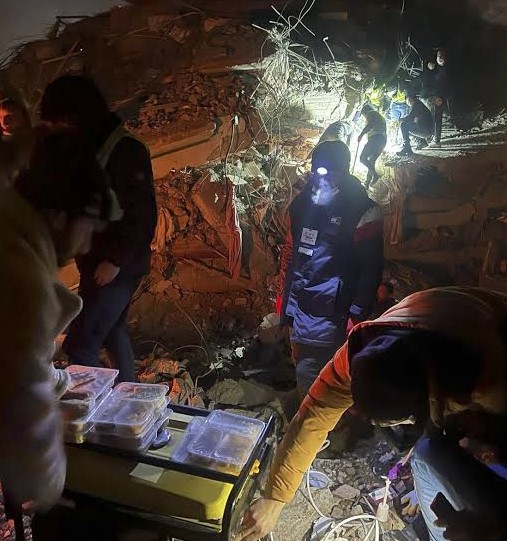
A magnitude 7.0 earthquake struck a remote, high-altitude area of northern Tibet on Thursday night, killing at least 16 people and collapsing more than 300 houses, according to Chinese state media.

A New Mexico judge ordered Meta to pay the state $25 billion on Wednesday after a jury found the company misled consumers about data privacy, in one of the largest financial penalties in US history.

Christiane Amanpour, 68, announced on Monday that she will leave CNN at the end of June 2027 after 43 years, scaling back her show to once a week from early 2027.