Hundreds of students protested in New Delhi after a 17-year-old reported being gang-raped by men posing as police officers, as India’s Supreme Court criticized authorities over a wave of recent sexual assault cases.



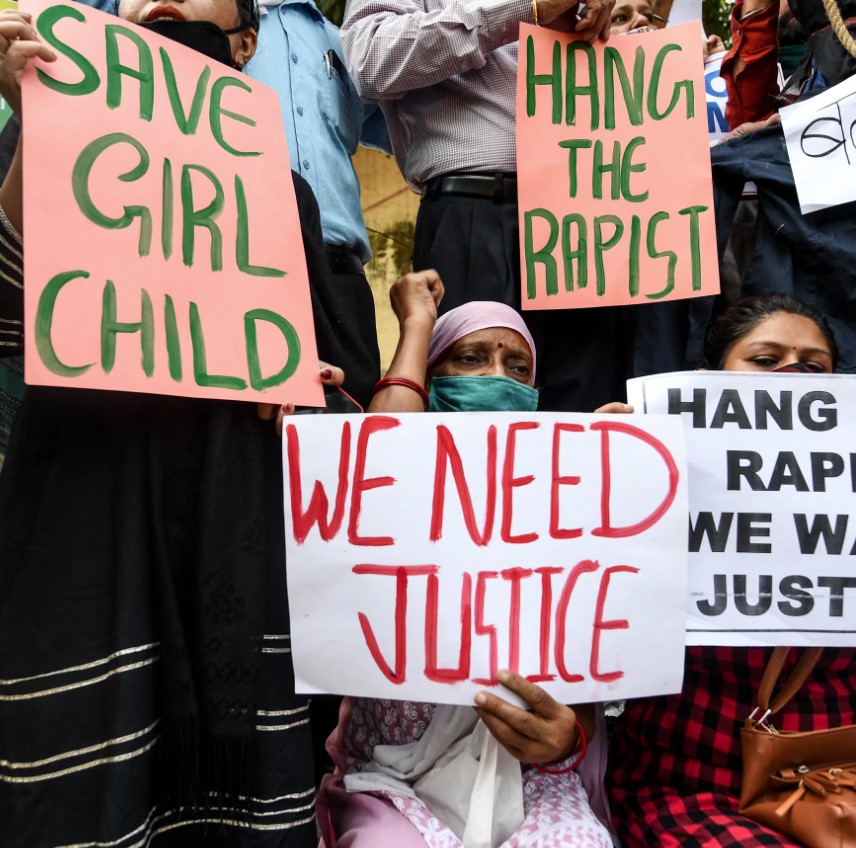
Hundreds of students protested in New Delhi after a 17-year-old reported being gang-raped by men posing as police officers, as India’s Supreme Court criticized authorities over a wave of recent sexual assault cases.
Hundreds of students have taken to the streets across New Delhi over the past week, demanding better safety for women after a 17-year-old girl reported being gang-raped by three men posing as police officers in a public park in the heart of the Indian capital, in a case that has reignited national debate over why years of legal reform have failed to curb sexual violence.
According to police, the alleged assault occurred earlier in the week, with senior officer Vijay Kumar confirming that one suspect was shot and caught by police on Tuesday, while two others, who are brothers, were being questioned in connection with the attack. The case followed closely on the heels of two other recent incidents in Delhi: the rape and murder of a 16-year-old girl whose body was found by police in a decomposed state, and the alleged rape of a separate 17-year-old girl by a bus driver and conductor who had offered her a lift during heavy rain. The clustering of three serious cases within a short span of weeks appears to have been a significant factor in galvanizing the scale of the current protests, rather than any single incident acting in isolation. Delhi has long been referred to as India’s “rape capital,” though officials and advocates note that sexual violence extends well beyond the capital, pointing to a video that surfaced this month showing a teenage girl being assaulted in the eastern state of Bihar, evidence, protesters argue, that the problem is national rather than confined to any one city’s policing failures.
The protests, which began on September 23 and have continued through the following week, have drawn hundreds of students demanding both police accountability and systemic change. Demonstrators have marched through central Delhi carrying placards and chanting slogans calling for faster investigations, visible policing in public spaces, and consequences for officers seen as slow to respond to earlier complaints. Analysts quoted in coverage of the unrest pointed to deep-seated patriarchy, understaffed police forces, and prolonged judicial delays as structural factors that leave many perpetrators believing they can act with impunity, despite sweeping legal reforms introduced in the years following the landmark 2012 Delhi gang-rape case. One estimate cited in reporting on the protests noted that an average rape case in India takes seven to eight years to reach resolution through the courts, a delay advocates say undermines both deterrence and survivors’ confidence that pursuing a case will actually result in justice within any reasonable timeframe.
The scale of public frustration reached India’s highest court. The Supreme Court of India issued a sharp rebuke of authorities, describing the string of recent cases in Delhi and neighboring regions as reflecting a “failure of law enforcement and public administration.” The rare, direct criticism from the country’s top judicial body added significant institutional weight to the protests, lending legal and moral authority to demands that have, in previous cycles of public outrage, often been dismissed by officials as politically motivated or overstated. Demonstrators carried placards demanding concrete police action rather than renewed promises of legislative reform, a pattern of official response that has followed nearly every major sexual violence case in India since 2012 without producing a durable, measurable reduction in reported incidents nationwide.
Also Read: Sexual Assault Is Being Reduced to a Joke and We’re Letting It Happen
The unrest has not been confined to the capital. At Lovely Professional University in the northern state of Punjab, student protests turned violent following social media claims that a female student had been raped on campus by a hostel worker, prompting the university to suspend classes for 10 days. University registrar Monica Gulati publicly denied the allegations, saying there was “no truth” to the claims, and three female students residing in the building where the alleged assault reportedly took place appeared alongside Gulati in a video backing the administration’s position. Police said they were investigating the matter but had not yet established the identity of the student involved, according to reporting by India Today, leaving the specific facts of that case contested even as it fueled broader protests over campus and public safety for women across the country. The dispute at Lovely Professional University illustrates a recurring and difficult dynamic in these cases: institutions facing reputational pressure often move quickly to deny allegations publicly, sometimes before investigations have concluded, which can itself become a secondary flashpoint for protest regardless of the eventual factual outcome.
The current wave of unrest echoes a now-familiar pattern in Indian public life, in which a high-profile case of sexual violence triggers nationwide protests, intense media coverage, and official pledges of reform, only for subsequent cases to reveal how little structural change has followed in the years between. Since the 2012 Delhi bus gang-rape that first galvanized mass protests and led to broadened legal definitions of rape and harsher penalties for sexual offenses, India has continued to see a steady stream of high-profile assault cases provoke similar public outrage, including a case in West Bengal’s Baruipur earlier this year and a widely covered 2024 case in Badlapur, Maharashtra, each accompanied by protests, arrests, and renewed public debate, but not, critics argue, by any lasting shift in the underlying rates of reported violence against women and girls. That recurring cycle, outrage, protest, official statement, eventual fading from headlines, has itself become a subject of frustration among activists, some of whom argue that the pattern allows institutions to absorb public anger without being compelled toward lasting structural reform.
Officials, for their part, have pointed to the existing legal framework as evidence that the state has taken the issue seriously, noting that India’s rape laws were substantially broadened after 2012 and again after subsequent high-profile cases, with harsher penalties introduced for offenses including sexual assault, stalking and voyeurism. Critics of that framing argue that legal reform on paper has consistently outpaced implementation on the ground, with understaffed police departments, slow forensic processing, and a judicial backlog that can stretch a single case out for the better part of a decade, undermining much of the deterrent effect the reforms were designed to achieve.
With the Supreme Court’s rebuke now placing direct pressure on law enforcement and public administration, and student-led demonstrations continuing across multiple cities, the coming weeks are likely to test whether this latest round of public pressure produces concrete institutional changes, such as faster investigations, dedicated fast-track courts, or visible shifts in policing practices around public spaces, or settles, as previous cycles have, into another case study in the gap between legal reform on paper and enforcement in practice. For the students currently marching through Delhi’s streets, the immediate demand remains narrower and more urgent: accountability for the specific cases that sparked this round of protests, and some indication that their anger will translate into something more durable than another news cycle.


Christiane Amanpour, 68, announced on Monday that she will leave CNN at the end of June 2027 after 43 years, scaling back her show to once a week from early 2027.
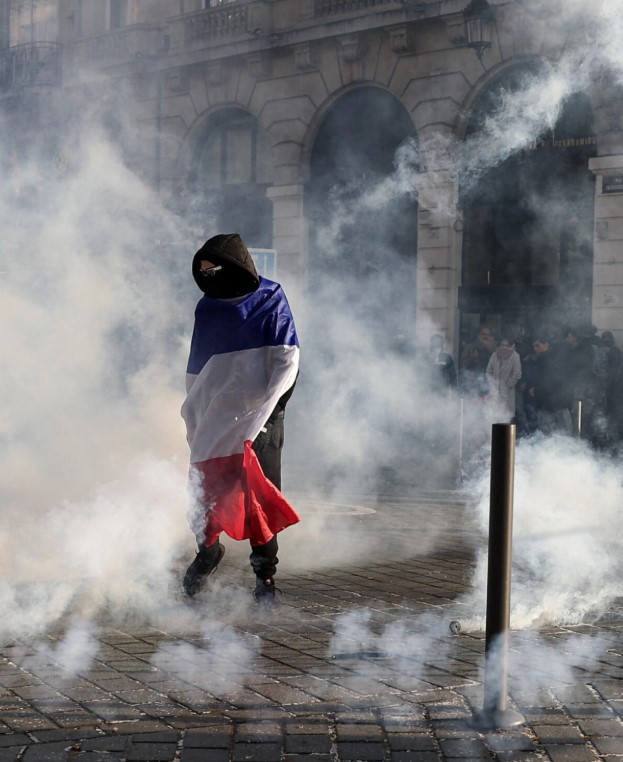
Forensic and police officers examine the burnt Lyon tourist office on October 18, a day after nationwide protests over the cost of living and school conditions turned violent in several French cities.

Tesla’s long-delayed Roadster performed a mid-air “kick flip” using compressed-air thrusters during a livestreamed unveiling at a SpaceX facility in Texas on Thursday.
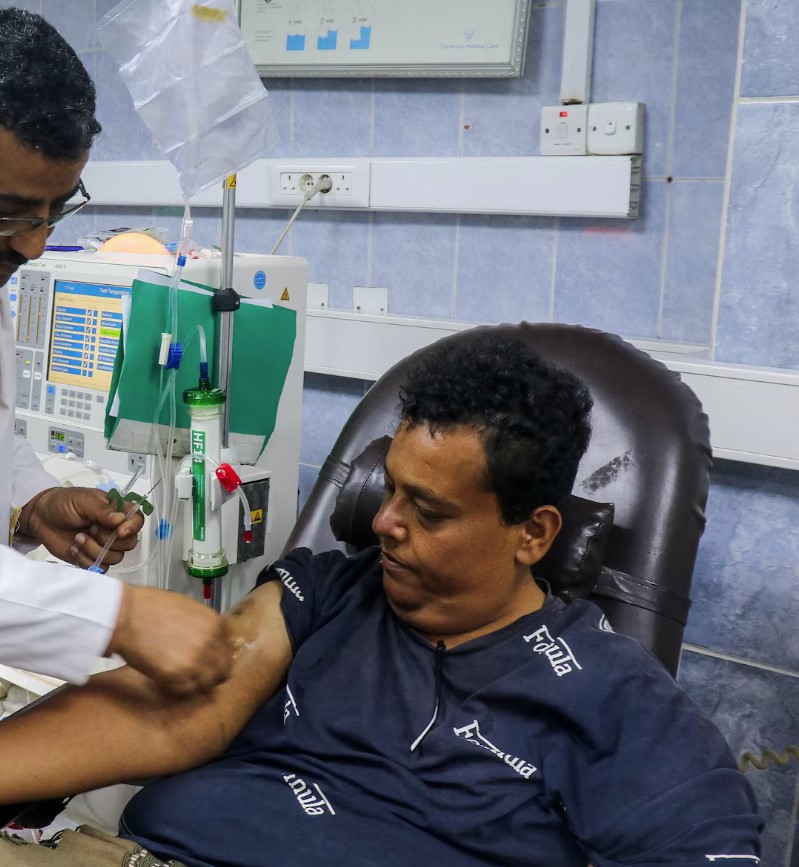
The World Food Programme says escalating fighting in Yemen has cut life-saving assistance to about 800,000 people, most of them in Taiz, the country’s third-largest city.