Protesters march in Paris on October 31, 2026, as nationwide demonstrations over the cost of living continued.


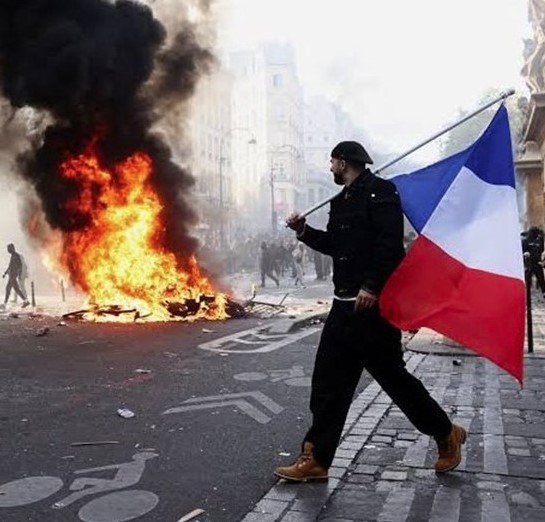
Protesters march in Paris on October 31, 2026, as nationwide demonstrations over the cost of living continued.
France heads into a decisive week after a month of street protests that began in school playgrounds and grew into one of the country’s most serious bouts of unrest in years. Five major union federations have called a nationwide strike for Thursday, November 5, and the government is under pressure to show it can both calm anger over living costs and restore order.
The movement started in September over the state of schools. Pupils at a high school in Créteil, near Paris, began protesting on September 21, citing unfilled teaching posts, overcrowded classes and run-down buildings. The protests spread to lycées across the country, and in early October unions, teachers, parents and political groups joined, as the movement overlapped with a public-sector strike over planned spending cuts of €61 billion. Protesters in France and elsewhere in Europe have also pointed to inflation, rents, fuel costs and unemployment.
The turning point came on Saturday, October 17. The Interior Ministry said 550,000 people marched nationwide, including 110,000 in Paris, while organisers put turnout at around 800,000. Most of the marches were peaceful, but the evening brought looting and arson. In Paris, masked groups looted shops and started fires, protesters torched Lyon’s tourist office, and the spire of Limoges town hall collapsed in flames. The Interior Ministry later reported 2,397 arrests and 997 security personnel injured. The BBC reported that about 1,500 shops and businesses were destroyed or ransacked and a further 3,000 looted.
The state moved quickly. Paris police announced an overnight curfew in the worst-hit areas around Place de la République and Les Halles, and cities including Bordeaux and Lille imposed their own. President Emmanuel Macron acknowledged failures in planning and intelligence but refused the resignation offered by Interior Minister Laurent Nuñez.
In a televised address on October 19, Macron promised uncompromising legal action against rioters and announced cost-of-living measures, emergency aid for affected businesses and a dialogue with young people. He linked rising fuel prices to the conflict in the Persian Gulf and said he would travel to Gulf states to discuss securing fuel and gas supplies.
Authorities also tightened control of the streets. Lyon, Marseille, Nice and Toulon banned protests for October 24, and Macron said even demonstrations by recognised organisations would need approval and could have their routes changed. The restrictions drew criticism over the right to protest, and an attempted ban on marches in Paris on October 22 was overturned by an administrative court.
The next two weekends were calmer, though not quiet. On October 24, about 410,000 people marched nationwide, including some 110,000 in Paris, with 70,000 police and gendarmes deployed. The Interior Ministry reported 1,314 arrests and 53 security personnel injured. Nuñez called the outcome positive, saying security measures had prevented widespread looting and damage to public buildings.
On October 31, police fired tear gas in Paris and Lyon as a coalition of youth groups and unions said nearly half a million people took part, including 200,000 in Paris. The Interior Ministry reported at least 290 arrests. Organisers’ and official counts differ throughout this movement, so any single figure should be treated with caution.
The CFDT, CGT, FO, Unsa and FSU called the November 5 strike over wages, pensions, public services and planned budget cuts of about €54 billion. The rail sector is also involved: four SNCF unions are calling for a walkout on the same day.
The CGT wants more than one day. After talks with Prime Minister Sébastien Lecornu produced no results, CGT leader Sophie Binet said it was time to take the mobilisation to the next level. She urged workers to hold general assemblies to spread the strike on November 5 and after. Left-wing leader Jean-Luc Mélenchon has said a general strike is coming unless Macron gives in, but a formal, multi-day general strike across all sectors has not been confirmed by the unions as a whole.
The policing has become a story in itself. Amnesty International criticised what it called disproportionate use of force, and Human Rights Watch reported serious injuries to children. The Justice Ministry reported 5,060 arrests by October 6, 87 percent of them minors. The government rejects the accusation of repression, with Nuñez saying the response was proportionate in almost all cases, and ministers have accused far-left groups of stirring up trouble. Protest organisers say the movement is spontaneous.
Three things will shape the coming days: how many workers walk out on Thursday and how much transport and school disruption follows, whether the Paris marches stay peaceful given the earlier clashes, and whether Macron or Lecornu offer new concessions on pay or school funding before then. A repeat of October 17 would harden the government’s position. A calm, large turnout would increase pressure on it to negotiate.


Americans vote Tuesday, November 3, in midterm elections that will decide control of Congress and 36 governorships.
Protesters march in Paris on October 31, 2026, as nationwide demonstrations over the cost of living continued.
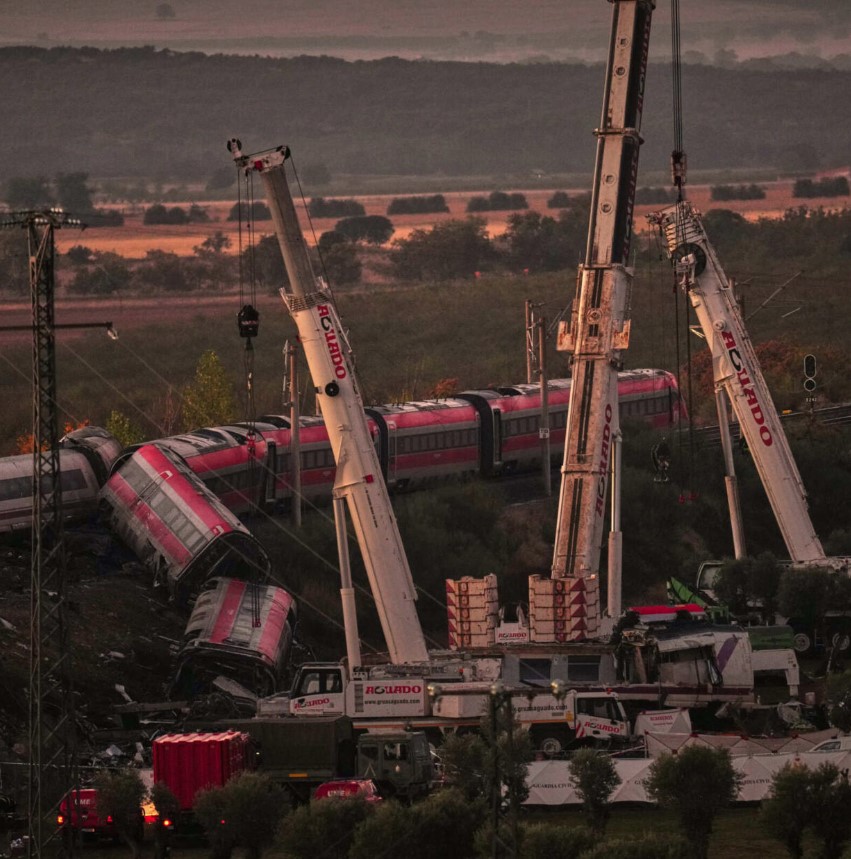
Emergency services at the site of a collision between a Renfe AVE and an Iryo train on the Madrid-Seville high-speed line in Toledo province on October 28, 2026, which killed at least 69 people.

Binance, the world’s largest crypto exchange by trading volume, suspended deposits and withdrawals on Thursday after a security incident that it estimates had an impact of about $6.3 billion.