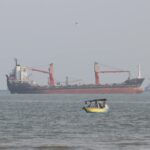
Iran says it targeted U.S. military facilities in Bahrain and Kuwait following American strikes on Iranian positions, intensifying tensions across the Gulf region.


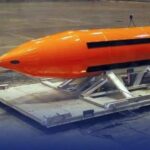
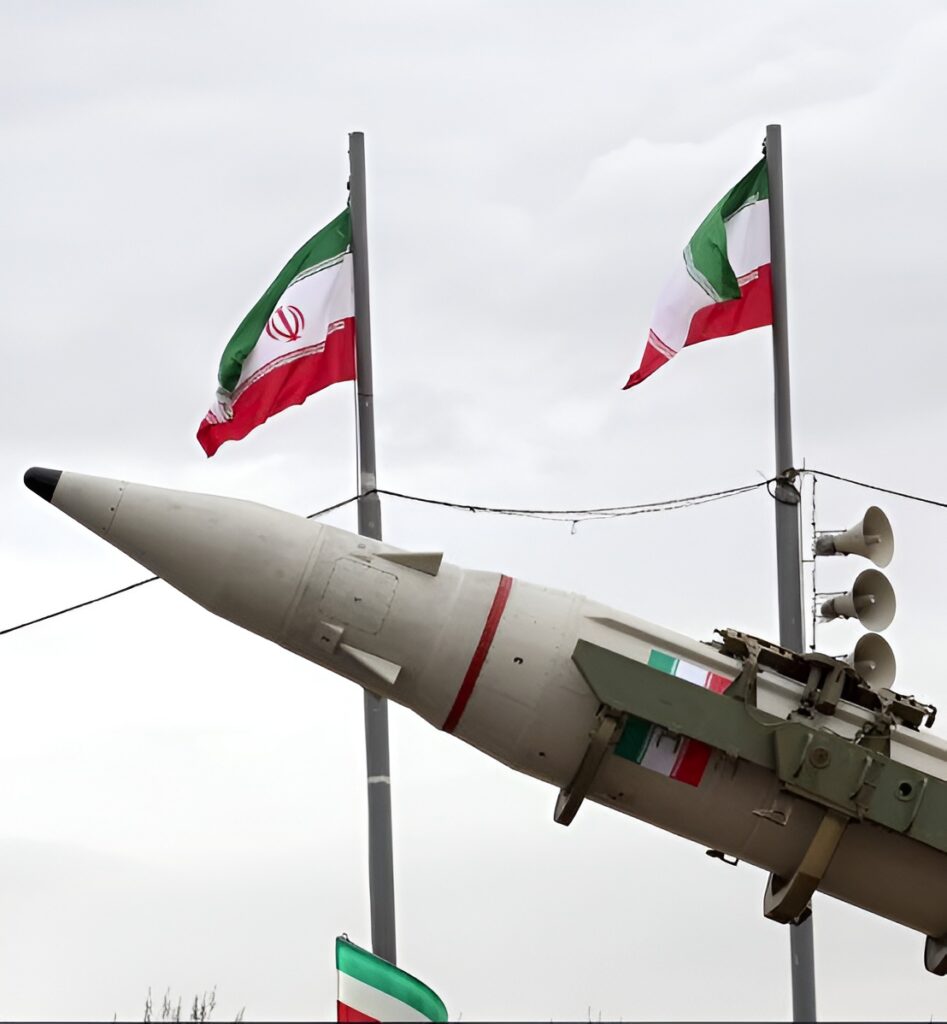
Iran says it targeted U.S. military facilities in Bahrain and Kuwait following American strikes on Iranian positions, intensifying tensions across the Gulf region.
The fragile truce between the United States and Iran appeared to unravel further on Wednesday after Tehran launched missile and drone attacks targeting U.S. military facilities in Bahrain and Kuwait, marking one of the most significant escalations in the Gulf since hostilities reignited earlier this week.
Iran’s Islamic Revolutionary Guard Corps (IRGC) said the operation was carried out in retaliation for overnight U.S. strikes on military targets inside Iran. According to Iranian state media, the attacks targeted 85 American military installations, including the U.S. Fifth Fleet headquarters in Bahrain and Ali Al Salem Air Base in Kuwait. Tehran also claimed it had shot down a U.S. MQ-9 Reaper drone during the operation, though the claim had not been independently verified.
Authorities in Bahrain and Kuwait activated air raid sirens as missiles and drones approached their airspace. Kuwait’s military later confirmed that its air defense systems intercepted what it described as “hostile” aerial threats, without immediately identifying who launched them. Bahrain also urged residents to seek shelter while security forces assessed the situation.
The latest exchange came only hours after U.S. Central Command announced it had completed a large-scale military operation against more than 80 targets across southern Iran. American officials said the strikes were intended to weaken Iran’s ability to threaten commercial shipping after three vessels were attacked in the Strait of Hormuz, one of the world’s most strategically important maritime corridors.
Among the American targets were air defense systems, command facilities, anti-ship missile positions and dozens of boats operated by the IRGC. Washington said the operation was designed to protect international shipping lanes following attacks on commercial vessels, including a Saudi oil tanker and a Qatari liquefied natural gas carrier. Tehran has denied responsibility for those maritime attacks.
The renewed military confrontation has raised concerns that months of diplomatic efforts aimed at reducing tensions may be collapsing.
Also Read: Damascus Blasts Overshadow Macron’s Landmark Visit to Syria
Only weeks ago, Washington and Tehran had agreed to a temporary framework intended to reduce hostilities and reopen negotiations over regional security and maritime navigation. That agreement also allowed limited Iranian oil exports under a sanctions waiver, but the Trump administration revoked the exemption following the latest attacks on commercial shipping.
Iran condemned both the renewed sanctions and the American airstrikes, describing them as violations of previous understandings between the two countries. Iranian officials insisted that the United States had undermined the diplomatic process by combining military action with renewed economic pressure.
The confrontation is unfolding during a sensitive period inside Iran as the country continues official mourning ceremonies for Supreme Leader Ayatollah Ali Khamenei, whose death during the earlier phase of the conflict transformed the political landscape in Tehran. Funeral ceremonies have drawn large crowds while security has been tightened across several major cities.
Beyond the military exchange, financial markets reacted quickly to the renewed instability.
Brent crude climbed above $76 per barrel after news of the latest strikes emerged, while traders weighed the possibility of further disruptions to energy exports through the Strait of Hormuz. Roughly one-fifth of the world’s seaborne oil trade normally passes through the narrow waterway, making any military activity in the region closely watched by governments and investors alike.
Shipping traffic through the strait has already slowed considerably since fighting resumed earlier this year. Although commercial transit had begun recovering in recent weeks, fresh attacks have renewed fears among shipping companies and insurers that the corridor could once again become too dangerous for routine navigation.
Military analysts say the latest exchange reflects a shift in strategy by both sides.
Rather than directly targeting each other’s mainland territory on a sustained basis, Washington and Tehran increasingly appear focused on degrading military infrastructure, energy logistics and strategic transportation routes while attempting to avoid a broader regional war.
Nevertheless, the risk of miscalculation remains high.
Any strike causing significant casualties among U.S. personnel or Gulf allies could trigger another round of retaliation, potentially drawing additional countries into the conflict.
Also Read: Is Mitch McConnell Dead? What We Know
NATO Secretary General Mark Rutte defended Washington’s latest military response, saying the United States had acted after attacks on commercial vessels and describing the operation as necessary under the circumstances. Iran, however, maintains that it is exercising its right to respond to what it calls repeated American aggression.
Regional governments are now monitoring developments closely.
Bahrain, Kuwait, Qatar, Saudi Arabia and the United Arab Emirates host key military and energy infrastructure, making them particularly vulnerable if hostilities continue expanding beyond Iran and the United States.
Diplomatic observers warn that every new exchange makes negotiations increasingly difficult.
Talks aimed at reaching a broader settlement over Iran’s nuclear program, sanctions relief and maritime security have effectively stalled as both governments accuse each other of violating previous commitments.
For international markets, the crisis extends beyond military headlines.
Higher oil prices could place additional pressure on inflation, transportation costs and global supply chains at a time when many economies are already navigating slower growth and geopolitical uncertainty.
Whether the latest attacks represent another short-lived exchange or the beginning of a wider regional confrontation may depend on the next diplomatic and military decisions made in Washington and Tehran.
For now, the Gulf remains on heightened alert, commercial shipping continues to face growing risks, and one of the world’s most important energy corridors has once again become the center of a rapidly escalating international crisis.

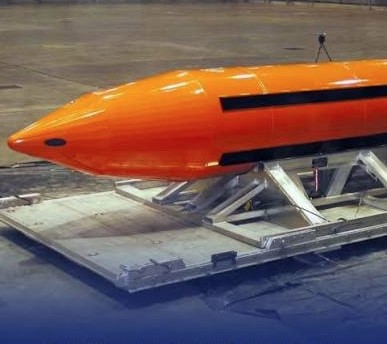
The GBU-43/B Massive Ordnance Air Blast bomb, the largest non-nuclear weapon in the US arsenal, is among the options reportedly drawn up for possible renewed strikes on Iran, according to CNN. The report has not been independently verified.
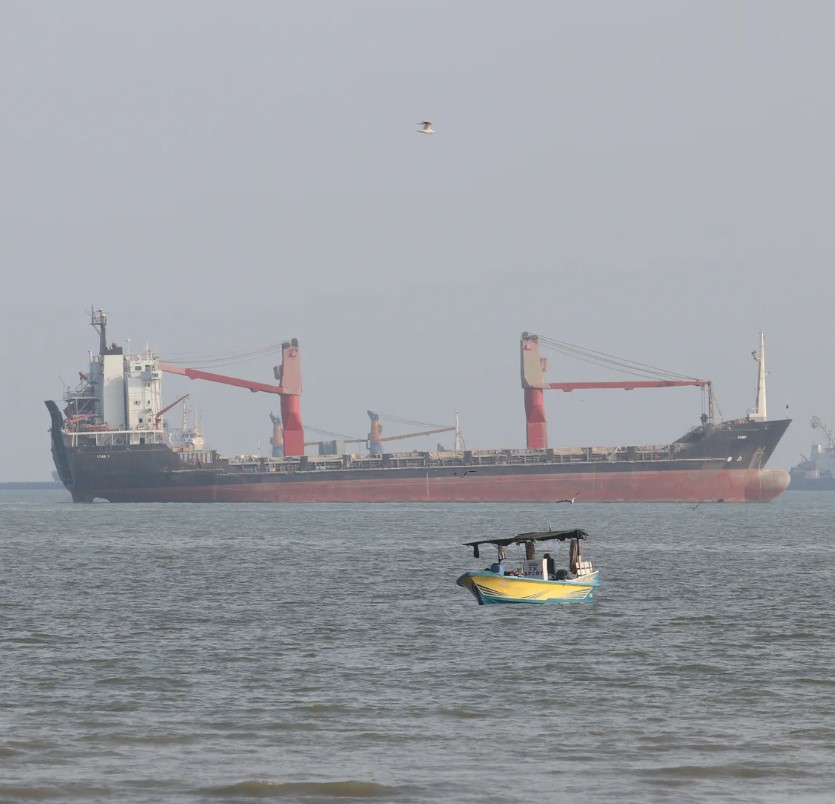
Iran’s Revolutionary Guard says a container ship carrying more than 2,500 containers sank near the Strait of Hormuz after hitting a naval mine, while shipping officials report two Singapore-registered vessels were hit by unknown projectiles.
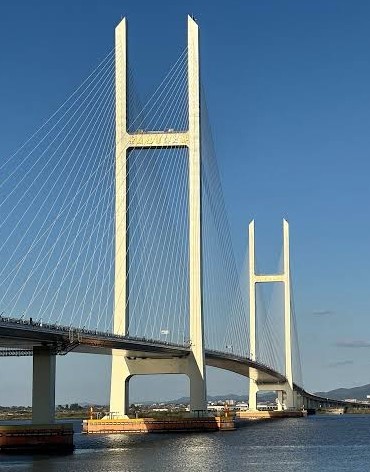
Trucks decked with flags crossed the 3-km New Yalu River Bridge on Thursday as China and North Korea officially opened their most significant land border crossing, 12 years after the bridge was completed.

Hong Kong has added temperature checks and travel declarations for flights from Russia after a lab worker’s death in Siberia.