Health officials are investigating the source of a cyclosporiasis outbreak that has now spread to 31 U.S. states.



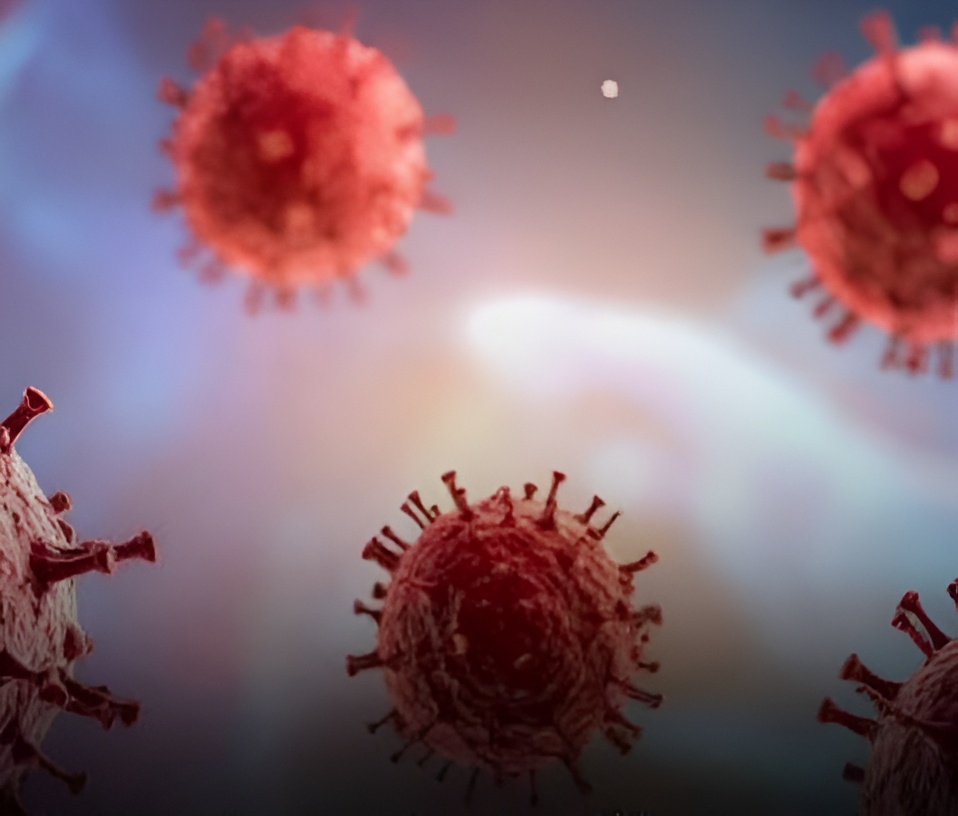
Health officials are investigating the source of a cyclosporiasis outbreak that has now spread to 31 U.S. states.
A growing cyclosporiasis outbreak has now been confirmed in more than half of all U.S. states, with federal health authorities racing to pin down the source of the intestinal illness before case counts climb further. The Centers for Disease Control and Prevention reported 843 confirmed infections as of Thursday, though officials acknowledge the real number is almost certainly higher given delays in state-level reporting and the fact that many people recover without ever seeing a doctor.
The scale of the cyclosporiasis outbreak becomes clearer at the state level. Michigan alone logged 1,562 cases through Friday, a figure that dwarfs the CDC’s national tally and underscores how incomplete the federal count likely is. Ohio’s health department reported 177 cases as of July 2, most of them tied to June, while New York and several other Midwest and Northeast states have also seen sharp increases. Nationwide, 86 people have been hospitalized. No deaths have been reported.
Also Read: Rare Bacteria Traced to Meta AI Data Center Sparks Water Contamination Alarm in Wyoming
Cyclosporiasis is caused by the parasite Cyclospora and typically spreads through food or water contaminated with it. Fresh produce has been the culprit in past outbreaks, most notably in 2018, when McDonald’s pulled salads from roughly 3,000 locations across 14 states after health officials connected them to dozens of illnesses. A 2013 outbreak tied to imported lettuce from Mexico sickened an estimated 400 people. Raspberries, basil, cilantro, snow peas and lettuce have all been linked to prior U.S. outbreaks, according to the Food and Drug Administration.
Investigators have not yet identified what is driving this year’s surge. Case counts do rise seasonally in spring and summer, but the CDC said several states are seeing a bigger jump over the past two weeks than they did during the same stretch last year. Pinpointing a source is complicated by the illness’s incubation period, which can run from two days to more than two weeks, making it difficult for patients to accurately recall everything they ate in the window before symptoms appeared.
Ohio Department of Health Director Dr. Bruce Vanderhoff called cyclosporiasis a serious illness that can lead to dehydration and emergency care, urging residents not to dismiss symptoms. Those affected so far range in age from 5 to 88.
Health officials continue to recommend basic food safety precautions as the most reliable defense. Cooking produce to at least 158 degrees Fahrenheit kills the parasite, and thorough handwashing before and after handling fresh fruits, vegetables and herbs remains standard guidance, even though rinsing produce alone does not reliably remove Cyclospora. Anyone experiencing severe diarrhea or signs of dehydration is advised to seek medical care, since the infection is typically treated with antibiotics.
Because of the roughly six-week lag between infection and reporting, health officials expect the national case count to keep rising in the weeks ahead.
Read More: The LHC Doomsday Panic Says More About Us Than About CERN


Christiane Amanpour, 68, announced on Monday that she will leave CNN at the end of June 2027 after 43 years, scaling back her show to once a week from early 2027.

Forensic and police officers examine the burnt Lyon tourist office on October 18, a day after nationwide protests over the cost of living and school conditions turned violent in several French cities.

Tesla’s long-delayed Roadster performed a mid-air “kick flip” using compressed-air thrusters during a livestreamed unveiling at a SpaceX facility in Texas on Thursday.
The World Food Programme says escalating fighting in Yemen has cut life-saving assistance to about 800,000 people, most of them in Taiz, the country’s third-largest city.