Construction continues on Meta’s AI data center in Cheyenne, Wyoming, where a rare bacterium was traced to the facility’s wastewater discharge earlier this year.




Construction continues on Meta’s AI data center in Cheyenne, Wyoming, where a rare bacterium was traced to the facility’s wastewater discharge earlier this year.
Cheyenne officials confirm reclaimed water system was contaminated during construction of $800 million “Project Cosmo” facility; Meta says drinking water was never affected
A rare, potentially drug-resistant bacterium has been traced back to the construction site of a Meta-owned artificial intelligence data center in Wyoming, raising fresh questions about the public health footprint of the AI industry’s rapid infrastructure expansion.
The Cheyenne Board of Public Utilities confirmed this week that Cupriavidus gilardii, an environmental bacterium typically found in soil and groundwater, was discovered in the city’s reclaimed water irrigation system during routine sampling in February. After months of investigation, officials determined the contamination originated from Fortis Construction, the contractor overseeing work on Meta’s sprawling 715,000-square-foot data center project on the outskirts of the city.
The facility, known internally as “Project Cosmo,” is part of Meta’s estimated $800 million investment in Cheyenne, first announced in 2024. It is expected to support more than 100 local jobs once operational.
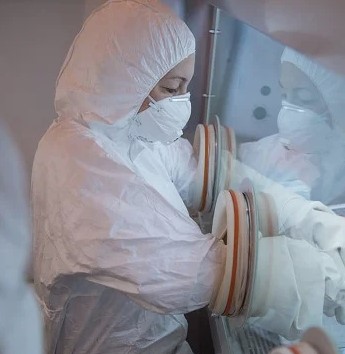
According to officials, the bacteria entered the public wastewater network during what is known as a “fill-and-flush” operation; a standard industrial process used to clean and prepare large-scale cooling systems before a facility becomes fully operational. Wastewater generated during that process was discharged into Cheyenne’s public sewer system, eventually surfacing in the city’s reclaimed water supply.
Reclaimed water in Cheyenne is treated wastewater repurposed for non-drinking uses, primarily irrigation of public green spaces such as parks and golf courses. City officials and Meta have both stressed that the drinking water supply was not affected at any point during the incident.
Even so, the discovery triggered a temporary shutdown of portions of the reclaimed water system while remediation work was carried out. Health officials expressed concern that residents using or passing through irrigated public spaces could potentially be exposed to the bacteria through inhalation of aerosolized water droplets, a transmission route associated with other waterborne pathogens.
Cupriavidus gilardii is not commonly associated with human illness, and confirmed infections remain extremely rare. When infections do occur, they have generally been reported in people with serious underlying health conditions or compromised immune systems. In one widely cited case, a 12-year-old girl with a bone marrow condition died in 2010 after contracting the bacterium while traveling in Europe, according to earlier medical reporting cited by outlets covering the Cheyenne incident.
Health experts also note that, like many environmental bacteria, some strains of Cupriavidus gilardii can display resistance to multiple classes of antibiotics, which can complicate treatment in the rare cases where infection does occur.
Monica Gandhi, an infectious disease specialist at the University of California, San Francisco, said the presence of the bacterium in any part of a public water system was cause for concern, regardless of whether it reached drinking water. She indicated she would not want the bacterium anywhere near a water supply she relied on.
A Meta spokesperson said the company acted quickly once the contamination was identified, working alongside Fortis to halt the discharge and begin remediation. According to the company, Fortis stopped discharging industrial wastewater into the public system as soon as it was notified and began hauling the material offsite instead.
Fortis also launched its own independent water testing in partnership with an environmental specialist. Meta says that testing has since found no trace of the bacterium.
In a separate statement, Meta spokesperson Francis Brennan said the company remains committed to being a responsible presence in Cheyenne, including protecting local water resources, and pledged continued cooperation between Fortis and the city’s utilities board to resolve the matter.
In response to the incident, the Cheyenne Board of Public Utilities has imposed new safety regulations restricting wastewater discharge from certain categories of data center operations, a move aimed at preventing similar contamination events as more facilities are built in the region.
Meta has been contacted for further comment.
Read More: Alex Eala Makes Wimbledon History, Sets Up Blockbuster Clash with Iga Swiatek
The Cheyenne incident appears to be the first publicly reported case in which an AI data center project has been directly linked to microbial contamination of a municipal water system. But it lands amid growing scrutiny of the environmental and public health footprint of data center construction nationwide, which has so far focused mainly on electricity and water consumption tied to cooling massive server operations.
Large-scale industrial cooling infrastructure has previously been linked to outbreaks of Legionnaires’ disease, a severe form of pneumonia caused by inhaling water droplets contaminated with Legionella bacteria, typically when cooling systems are poorly maintained. In a notable parallel, New York City health officials are currently investigating an active Legionnaires’ outbreak on the Upper East Side that has sickened 36 people and hospitalized 22, though that outbreak has not been linked to any data center.
Industry data shows the scale of the buildout driving these concerns. There are now roughly 4,500 data centers operating across the United States, including 31 in Wyoming alone, according to tracking site Data Center Map, as companies race to expand computing capacity to meet surging demand for AI services.
Meta has said it aims to restore more water than it consumes across its global operations by 2030 and has pledged investment in local energy grid infrastructure and water restoration projects tied to the Cheyenne facility.
Public health researchers say the episode, while limited in scope and tied to a one-time construction process rather than routine data center operations, underscores a broader point: the AI infrastructure boom is beginning to intersect with community health in ways that go beyond emissions and utility bills.
Residents near data center developments across the country have increasingly raised concerns about noise, water strain, and now, potential microbial exposure. As construction of AI infrastructure accelerates nationwide, officials and public health experts say incidents like Cheyenne’s may serve as an early signal that public health considerations need to be built into how and where these facilities are sited and operated; not addressed only after contamination is discovered.


The GBU-43/B Massive Ordnance Air Blast bomb, the largest non-nuclear weapon in the US arsenal, is among the options reportedly drawn up for possible renewed strikes on Iran, according to CNN. The report has not been independently verified.
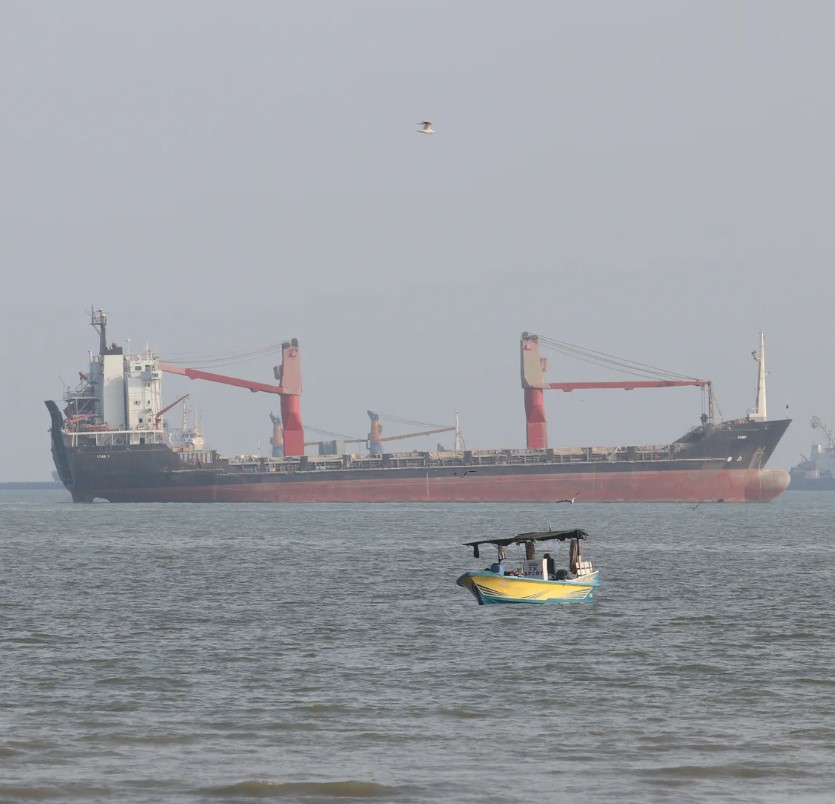
Iran’s Revolutionary Guard says a container ship carrying more than 2,500 containers sank near the Strait of Hormuz after hitting a naval mine, while shipping officials report two Singapore-registered vessels were hit by unknown projectiles.
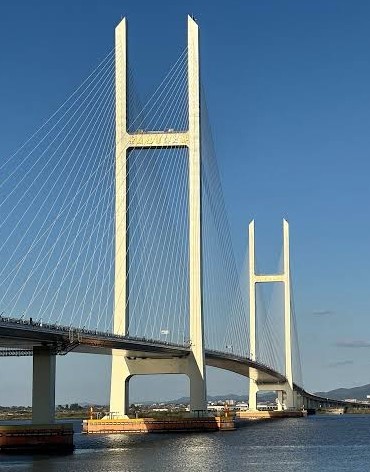
Trucks decked with flags crossed the 3-km New Yalu River Bridge on Thursday as China and North Korea officially opened their most significant land border crossing, 12 years after the bridge was completed.
Hong Kong has added temperature checks and travel declarations for flights from Russia after a lab worker’s death in Siberia.