US and Iran Trade Fresh Strikes as Ceasefire Collapses


US and Iran Trade Fresh Strikes as Ceasefire Collapses
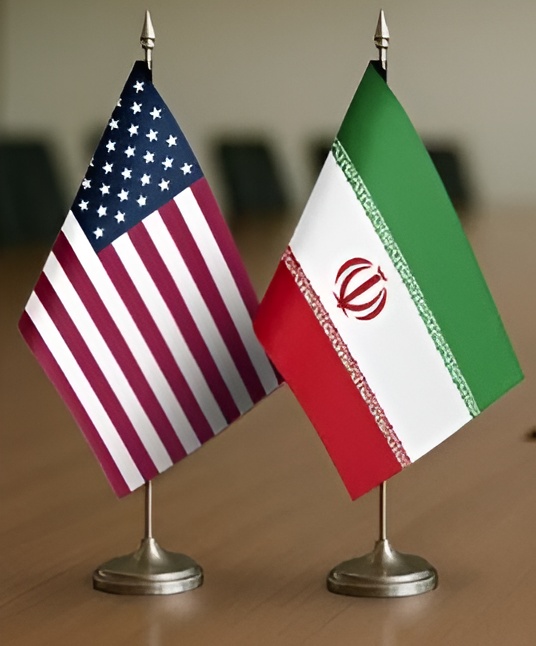
“Iran War News” The fragile ceasefire between the United States and Iran has collapsed, with President Donald Trump declaring the truce “over” and ordering fresh military strikes that have triggered a wave of retaliatory attacks across the Gulf, sending oil prices sharply higher and rattling global financial markets.
Speaking at the NATO summit in Ankara, Turkey, Trump said he no longer considered the interim agreement with Tehran to be in effect, telling reporters it was “a waste of time dealing with” Iranian officials and that he was uncertain whether he still wanted to pursue a peace deal at all. Hours later, US Central Command confirmed it had carried out a new round of strikes, hitting close to 90 Iranian military targets, including air defense systems, coastal surveillance assets, missile and drone storage sites, and naval infrastructure along Iran’s coastline. It marked the second consecutive night of American strikes against Iranian targets.
Also Read: Damascus Blast Overshadows Macron’s Landmark Visit to Syria
The renewed strikes came in direct response to attacks on commercial shipping in the Strait of Hormuz earlier in the week, when three vessels, including Qatari and Saudi-flagged tankers, were struck in or near the waterway. US, Qatari and Saudi officials blamed Iran for the attacks, though Tehran did not directly claim responsibility. Reuters reported that the Saudi-flagged supertanker Wedyan was damaged by an Iranian-fired missile close to Oman’s coast, while the Qatari vessel Al-Rekayat suffered a fire in its engine room after being struck along a southern route that Iranian authorities had previously warned ships to avoid. In a further escalation, the US Treasury Department revoked a temporary waiver that had allowed Iran to sell oil on international markets, a concession Washington had granted just last month as part of the broader ceasefire agreement. Iranian officials condemned the move as a violation of the memorandum of understanding signed by both countries.
Iran responded by launching what its Revolutionary Guard described as strikes on dozens of US military installations across Bahrain and Kuwait, later claiming to have downed a US surveillance drone in the process. Air raid sirens sounded repeatedly overnight in Bahrain, home to the US Navy’s Fifth Fleet headquarters, with the country’s Interior Ministry urging residents to remain calm and move to safe locations. Kuwait’s military said it was actively intercepting incoming drones and missiles, while Kuwaiti officials condemned the attacks on their territory as undermining regional de-escalation efforts. Qatar was also reportedly caught in the crossfire during the exchanges.
Iranian state media reported explosions in several coastal cities, including Bushehr, home to Iran’s nuclear power plant, though Iranian officials said the facility itself had not sustained damage. A separate US strike on an airport in the southeastern city of Iranshahr reportedly killed a security guard and damaged the airport’s operations building, according to Iranian state-affiliated outlets. Mohsen Rezaie, a senior military adviser to Iran’s leadership, warned on social media that what he called the “aggressor enemy and its accomplices” would be severely punished.
Also Read: Iran Targets US Bases in Gulf as Strait of Hormuz Crisis Deepens
Trump has continued to raise the stakes rhetorically, warning on social media that further Iranian attacks on shipping would prompt a far stronger response, and telling reporters aboard Air Force One where the conflict amounted to “a de-nuking of Iran” rather than a war in the traditional sense. He has also floated the possibility of US forces taking control of Kharg Island, Iran’s main oil export hub, a move that would represent a significant further escalation if pursued. Despite the aggressive posture, Trump also suggested Iranian officials had reached out privately, telling reporters on his way back from the NATO summit that Tehran “called a little while ago; they want to make a deal so badly.”
The renewed hostilities come against the backdrop of a broader conflict that first erupted in late February, when US and Israeli strikes killed Iran’s supreme leader and several of his relatives. That figure’s funeral procession drew enormous crowds across Iran and Iraq this week, with mourners gathering in Najaf and Qom before the body was returned to Iran for burial in Mashhad, adding a further layer of tension and national grief to an already volatile moment in the region. Analysts at the Institute for the Study of War noted that Iran appears willing to risk renewed large-scale conflict with the United States in order to maintain control over the Strait of Hormuz, suggesting Tehran currently places a higher priority on the strategic waterway than on avoiding further escalation.
Financial markets have reacted swiftly to the renewed fighting. Brent crude jumped more than 6% to around $78.80 a barrel, while US benchmark crude surged past $75, reversing a recent decline back toward pre-war price levels. Analysts have cautioned that prices are likely to remain elevated as long as conditions in the strait stay hazardous, with some warning that shipping volumes through the waterway could remain well below pre-war levels for months if hostilities continue.
Bitcoin, meanwhile, slipped below $63,000 as investors moved toward the dollar and oil-linked hedges, though analysts noted the cryptocurrency’s reaction has been comparatively muted compared to earlier escalations in the conflict. Spot Bitcoin ETFs still recorded modest net inflows even amid the volatility, and market strategists suggested the asset is increasingly being priced as a rates-sensitive instrument rather than a pure geopolitical risk hedge, with each successive escalation in the war producing a smaller market reaction than the one before it.
US officials have said further strikes have not been ruled out depending on how Iran responds in the coming days, while Trump has continued to press European allies over their level of support for the conflict, singling out Spain, Italy and the UK during the NATO summit for what he described as insufficient backing. For now, both sides remain locked in a cycle of strikes and counterstrikes, with the Strait of Hormuz, one of the world’s most critical oil transit routes, once again at the center of global attention.

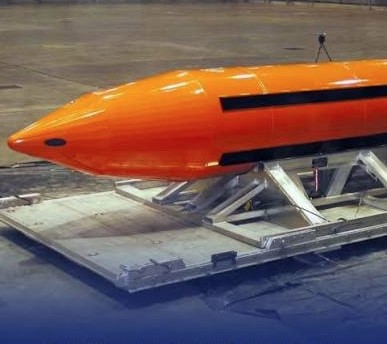
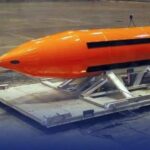
The GBU-43/B Massive Ordnance Air Blast bomb, the largest non-nuclear weapon in the US arsenal, is among the options reportedly drawn up for possible renewed strikes on Iran, according to CNN. The report has not been independently verified.
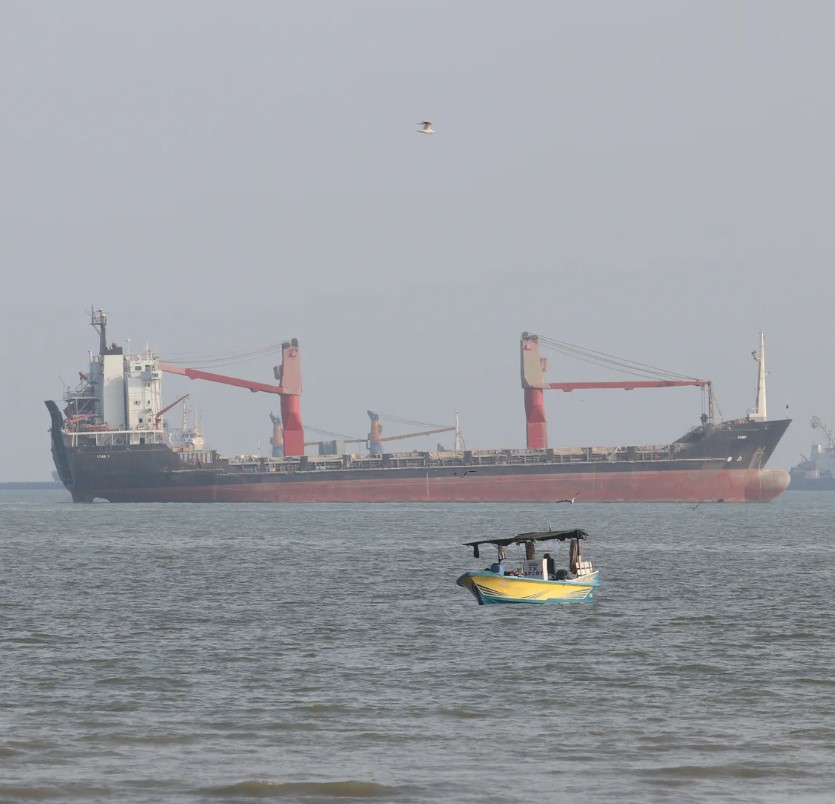
Iran’s Revolutionary Guard says a container ship carrying more than 2,500 containers sank near the Strait of Hormuz after hitting a naval mine, while shipping officials report two Singapore-registered vessels were hit by unknown projectiles.
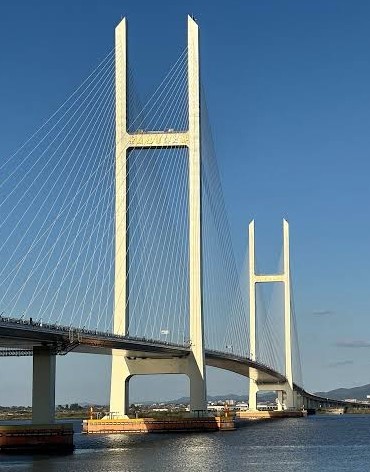
Trucks decked with flags crossed the 3-km New Yalu River Bridge on Thursday as China and North Korea officially opened their most significant land border crossing, 12 years after the bridge was completed.

Hong Kong has added temperature checks and travel declarations for flights from Russia after a lab worker’s death in Siberia.