Millions across Europe are facing dangerous heat as record temperatures, health warnings and wildfire risks continue to impact the continent.



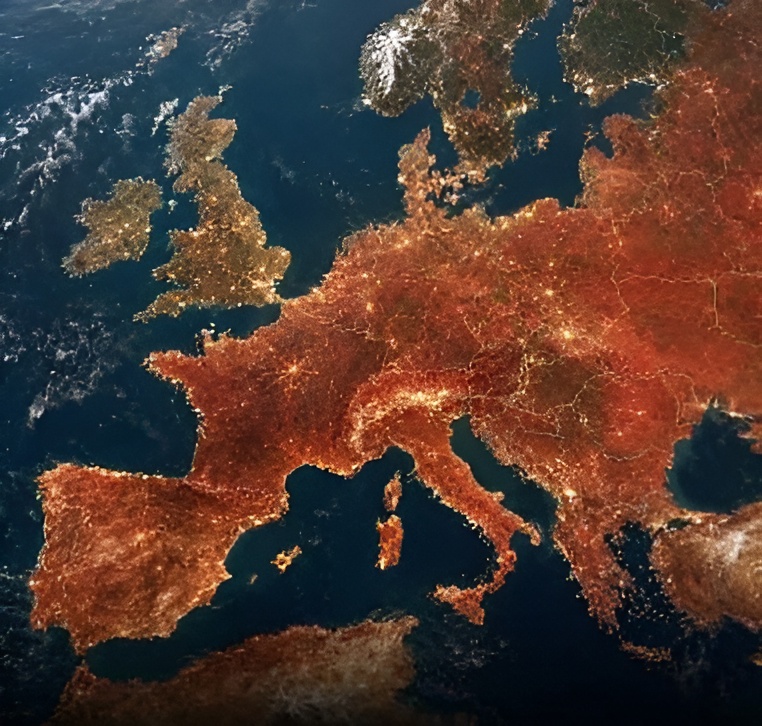
Millions across Europe are facing dangerous heat as record temperatures, health warnings and wildfire risks continue to impact the continent.
Europe is facing one of its most severe heatwaves in modern history, with record-breaking temperatures, mounting death tolls, and growing concerns over wildfires, drought and public health as extreme weather continues to grip much of the continent.
According to the World Meteorological Organization (WMO) and the World Health Organization (WHO), more than 1,300 excess deaths have been linked to the ongoing heatwave since June 21, while an estimated 150 million people have been affected across Europe.
The extraordinary spell of heat has shattered temperature records in multiple countries, reinforcing warnings from climate scientists that extreme weather events are becoming more frequent and more intense as global temperatures continue to rise.
The latest figures show temperatures exceeding 40 degrees Celsius across large parts of Western, Central and Southern Europe, with several nations recording their hottest June days on record.
France recorded temperatures as high as 43.8°C, while Germany registered a new national high of 41.7°C in the eastern town of Coschen. Hungary reached 40.7°C, Poland climbed to 40.5°C, and Austria recorded 40.0°C in Vienna. Switzerland, the Netherlands and Spain also established new June temperature records as sweltering conditions spread across the continent.
In the United Kingdom, the national weather service issued three consecutive Red Warnings for Extreme Heat for the first time since the current warning system was introduced, with temperatures climbing above 37°C in southern England.
Authorities across Europe have struggled to respond to the unprecedented conditions as hospitals report increasing numbers of heat-related illnesses and emergency services respond to rising cases of dehydration, heatstroke and other medical emergencies.
The heatwave has also placed additional pressure on power grids, transport infrastructure and agriculture, while prolonged dry conditions have increased the likelihood of large-scale wildfires in several regions.
France remains among the countries facing the greatest challenges.
Officials issued the highest level of heat alerts across dozens of departments while warning residents about dangerous wildfire conditions. The country has also experienced a surge in water-related accidents, with dozens of drowning deaths reported during the period of extreme temperatures as people sought relief from the heat.
Meteorologists say one of the most concerning aspects of the current event has been the exceptionally warm nights.
In many cities, overnight temperatures have remained above 20°C, creating what weather experts describe as “tropical nights.” Without cooler nighttime conditions, the human body has little opportunity to recover from daytime heat, significantly increasing the risk of serious health complications.
Health experts warn that prolonged exposure to high temperatures places additional strain on the cardiovascular system and can become life-threatening, particularly for older adults, young children, pregnant women, outdoor workers and people with underlying medical conditions.
Urban areas have experienced even higher temperatures because of the urban heat island effect, where concrete buildings and asphalt absorb and retain heat long after sunset. As a result, densely populated cities have remained dangerously warm around the clock.
The World Meteorological Organization said Europe has warmed by approximately 2 degrees Celsius over the past five decades, making it the fastest-warming continent on Earth.
Climate experts say the latest heatwave aligns with long-term projections showing that climate change is increasing the frequency, duration and intensity of extreme heat events.
The current conditions are also unfolding alongside the development of an El Niño weather pattern, which is expected to influence global weather systems during the coming months and may contribute to additional climate extremes in some regions.
Governments have expanded emergency response measures, including opening cooling centres, issuing public health advisories and encouraging residents to limit outdoor activity during the hottest parts of the day.
International agencies continue to emphasize the importance of early warning systems, public awareness campaigns and heat action plans designed to reduce fatalities during future extreme weather events.
The WMO and WHO have worked together to strengthen heat-health warning systems, providing governments with guidance to better prepare communities before dangerous temperatures arrive.
Also Read: Iran Targets U.S. Bases in Gulf as Strait of Hormuz Crisis Deepens
Scientists caution that the current heatwave should not be viewed as an isolated event but as part of a broader trend affecting countries around the world.
Over recent years, Europe has experienced increasingly frequent periods of record-breaking heat, prolonged droughts and devastating wildfires, trends researchers say are consistent with a warming global climate.
While temperatures are expected to fluctuate in the coming days, officials continue to warn that many areas remain at elevated risk from heat-related illness, wildfire outbreaks and ongoing water shortages.
As emergency services remain on high alert across much of Europe, authorities are urging residents to stay hydrated, avoid unnecessary outdoor activities during peak afternoon temperatures and check regularly on elderly relatives, neighbours and others who may be particularly vulnerable.
The latest heatwave serves as another stark reminder of the growing challenges posed by extreme weather, with governments, health agencies and climate experts warning that such events are likely to become increasingly common in the years ahead.

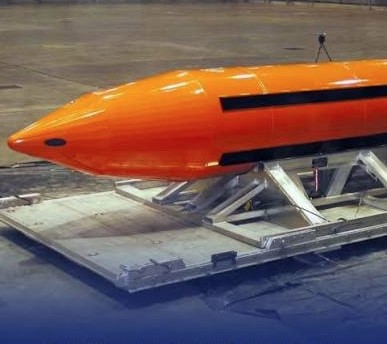
The GBU-43/B Massive Ordnance Air Blast bomb, the largest non-nuclear weapon in the US arsenal, is among the options reportedly drawn up for possible renewed strikes on Iran, according to CNN. The report has not been independently verified.
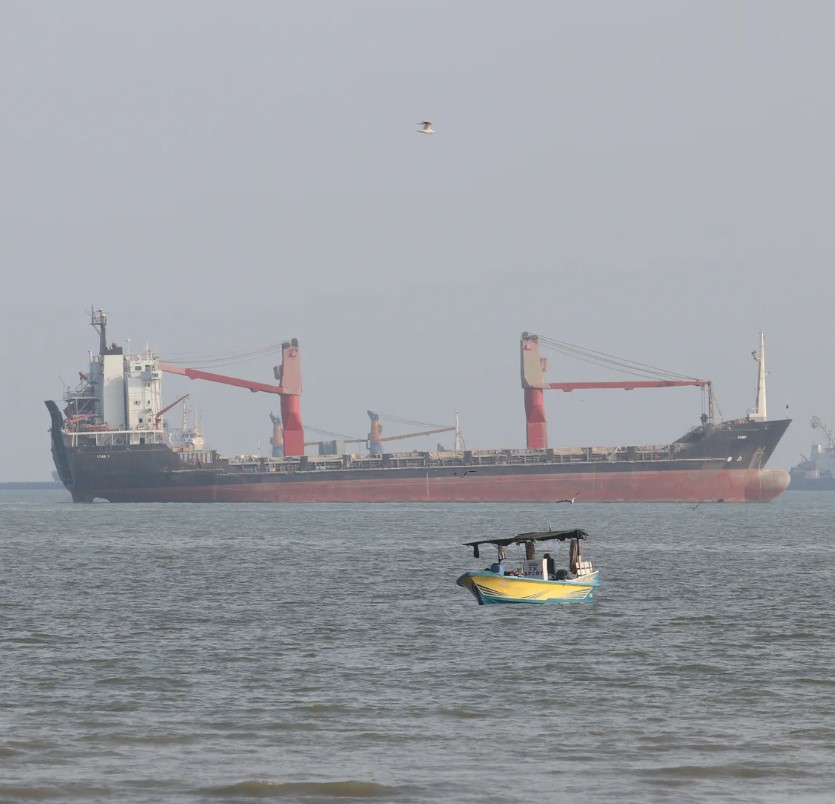
Iran’s Revolutionary Guard says a container ship carrying more than 2,500 containers sank near the Strait of Hormuz after hitting a naval mine, while shipping officials report two Singapore-registered vessels were hit by unknown projectiles.
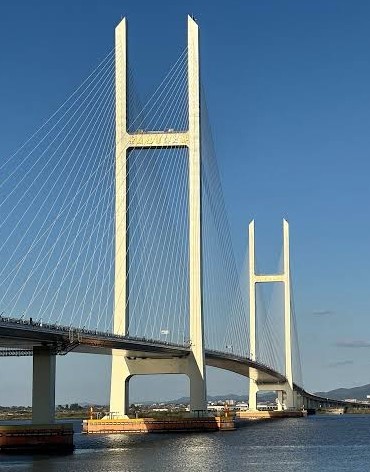
Trucks decked with flags crossed the 3-km New Yalu River Bridge on Thursday as China and North Korea officially opened their most significant land border crossing, 12 years after the bridge was completed.

Hong Kong has added temperature checks and travel declarations for flights from Russia after a lab worker’s death in Siberia.