She shares everything, constantly, and he still says he doesn’t feel like he knows her. The disconnect points to a real difference between oversharing and genuine emotional vulnerability.




She shares everything, constantly, and he still says he doesn’t feel like he knows her. The disconnect points to a real difference between oversharing and genuine emotional vulnerability.
There’s a specific complaint that comes up constantly in relationships, usually from the person on the receiving end: “She tells me everything, and I still don’t feel like I know her.” It sounds contradictory on its face. How can someone who narrates her day in real time, who volunteers her past relationships, her insecurities, her family history, her opinion on everything within the first few conversations, still end up feeling like a stranger months later? The answer isn’t that she’s hiding something. It’s that oversharing and actually being known are two entirely different processes that happen to look identical from the outside.
Psychologists and researchers who study self-disclosure draw a sharp line between the two. Author and researcher Brené Brown, whose work on vulnerability has become foundational in this field, has been direct about the distinction: “Using vulnerability is not the same thing as being vulnerable; it’s the opposite, it’s armor.” She coined a specific term for what a lot of compulsive oversharing actually is, “floodlighting,” the act of inundating someone with disclosures all at once as a way to force intimacy or shortcut past the discomfort of not yet being close to someone. It’s a strategy, even when it doesn’t feel like one from the inside, and it tends to produce the opposite of its intended effect. As Brown has noted, floodlighting often results in disconnection, distrust and disengagement rather than the closeness it’s reaching for.
Psychotherapist Israa Nasir has described the mechanics of this even more plainly, calling oversharing used to force closeness “an unintended and non-malicious emotional manipulation, or a sign of poor boundaries.” That framing matters because it removes the assumption of bad intent. Most women doing this aren’t performing, and they aren’t being dishonest. Clinical psychologists point to something closer to an internal need driving it: a desire to feel heard and cared for, often paired with an unconscious hope of gaining sympathy or reassurance from whoever’s listening. Some therapists tie the pattern specifically to anxious attachment, where intense self-disclosure gets equated with intimacy itself, leading someone to try to force a bond prematurely, before the relationship has actually built the trust that would normally support that level of openness.
That’s the part that explains the paradox at the center of all this. Oversharing, in this sense, isn’t really about the other person at all. It’s a coping mechanism, a way of self-soothing or processing a feeling in the moment, sometimes described clinically as “trauma dumping,” where the information gets released because the discomfort of holding it feels worse than the risk of unloading it onto whoever happens to be present. When sharing is driven by that kind of internal pressure rather than a genuine, considered decision to let someone in, the listener can absorb an enormous amount of information without absorbing anything that actually clarifies who the person is underneath it. Facts get transmitted. Understanding doesn’t.
Also Read: Apple’s Foldable iPhone Fixed the Crease. It Didn’t Fix the Real Problem
Genuine vulnerability works through an almost opposite mechanism. Researchers describe it as selective and contextual, sharing something real specifically because a person has decided, deliberately, that this particular listener has earned it, at this particular moment. It’s intentional rather than reflexive, and critically, it’s reciprocal. A well-known psychology experiment on closeness between strangers found that pairs who engaged in a structured, gradually escalating exchange of personal questions, each side disclosing a little more as trust built, reported significantly greater closeness than pairs who stuck to small talk. The operative detail there is gradual and mutual. One person compulsively unloading everything, all at once, to someone who hasn’t been given the same room to reciprocate, isn’t the same exercise, even if the raw amount of personal information shared ends up looking similar on paper.
This is why “she overshares but I don’t know her” isn’t actually a contradiction once it’s unpacked. Facts about someone’s past, her routines, her complaints, her opinions delivered in a rush, aren’t the same currency as felt understanding. Being known requires the other person to be an active participant, given the space and the timing to actually take something in, rather than a passive recipient of a stream of disclosure they never asked to receive and don’t know what to do with. Oversharing floods the space so completely that there’s no room left for anyone to ask a real question, sit with an answer, or notice what wasn’t said, which is often where the most telling information about a person actually lives.
None of this means the instinct to share is the problem, or that women expressing themselves openly deserves to be treated with suspicion. The instinct is healthy. What matters is what’s underneath it: whether the disclosure is coming from a grounded decision to let someone in, or from an anxious need to fill silence, secure reassurance, or outrun the discomfort of not yet being fully known. Those two things can look, from the outside, exactly the same. But only one of them tends to end with someone actually feeling seen. The other just ends with someone who knows a great many facts, and somehow, still, no real sense of the person they belong to.

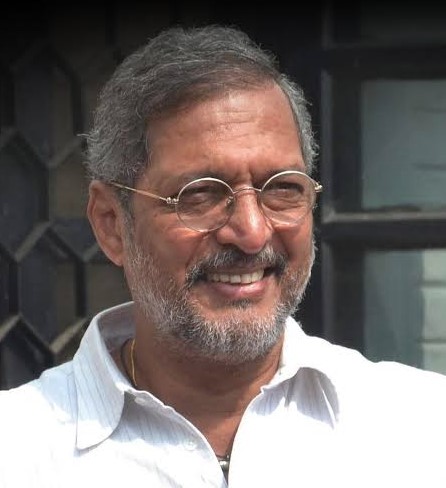
Nana Patekar, the veteran actor whose career spanned nearly five decades, died on Thursday at the age of 75.
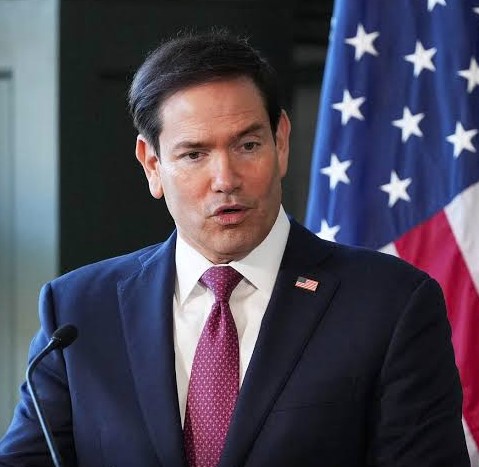
The Irkutsk Anti-Plague Research Institute, where a laboratory technician died this month, prompting quarantine measures and fears of pneumonic plague.
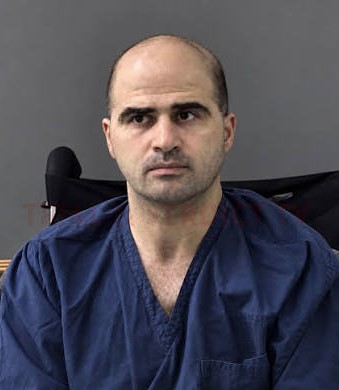
President Trump has approved the execution by firing squad of Nidal Hasan, the former Army major convicted of killing 13 people in the 2009 Fort Hood shooting.
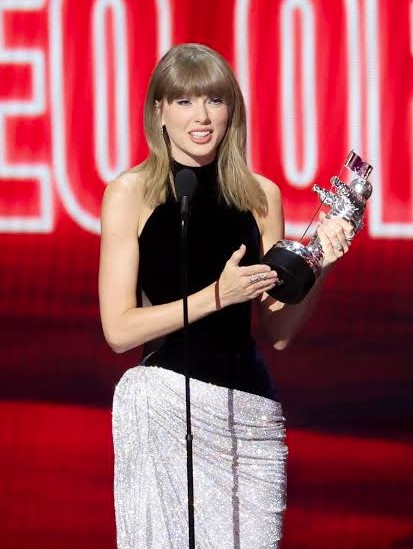
Taylor Swift became the most-awarded artist in VMA history at the 2026 ceremony, dedicating her Video of the Year win to the late Dolly Parton.