About 20 percent of the world’s oil passes through the Strait of Hormuz, where Iran and the US are trading threats.

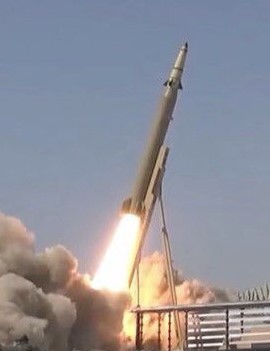
About 20 percent of the world’s oil passes through the Strait of Hormuz, where Iran and the US are trading threats.
Tensions around the Strait of Hormuz sharpened again this week after a senior commander in Iran’s Revolutionary Guard Corps (IRGC) Navy threatened to sink any US warship that approaches the waterway, and the US military answered with a one-line rebuttal that mocked the claim. The exchange came as a separate diplomatic row between Iran and Britain over an alleged plot at a US-used air base deepened, adding to the strain of a conflict that has now run for months.
The threat came on Tuesday, October 13, in televised remarks by Rear Adm. Ali Azmaei, reported by Iran’s state news agency IRNA and carried by Anadolu Agency. Azmaei said Iranian forces were waiting for US warships to approach the entrance of the strait so they could sink them, and that they were “counting down” to such an encounter. He claimed American ships avoid the waterway because they are vulnerable, and said a US aircraft carrier valued at $13 billion had moved 700 kilometers (435 miles) away from it. He also challenged Washington to “enter the field” to test whether the strait is open or closed.
Azmaei described a system of what he called “smart control,” under which the IRGC issues permits to vessels traveling to and from Iran and warns against routes it considers unauthorized. He said the IRGC Navy controls the strait and the Persian Gulf, while Iran’s regular navy controls the Gulf of Oman. He added that Iranian forces had publicized two cases in which “violating vessels” were punished, accused the US and its regional partners of a media blackout on such incidents, and said Iran’s forces are better prepared now than at the start of the war. None of these claims has been independently verified, and CENTCOM’s response suggests Washington does not accept the picture Azmaei painted.
US Central Command (CENTCOM) responded within hours in a post on X, rejecting the claim directly. “IRGC’s navy commander has no navy,” it said. CENTCOM said American forces and Gulf partners control the waterway and keep it open to navigation, adding that US forces helped Gulf partners move more than 19 million barrels of crude oil through the strait on Monday, October 12, alone.
The numbers explain why the dispute matters far beyond the region. About 20 percent of the world’s oil passes through the Strait of Hormuz, and any serious disruption can move energy prices and shipping insurance within hours. Iran has repeatedly targeted vessels in and around the strait since the conflict began in February, when the United States and Israel launched strikes on Iran. Washington insists on freedom of navigation, while Tehran says it has the right to control passage through its own waters. Reporting on the latest remarks did not mention a ceasefire or active talks.
The threat landed in the middle of a separate and increasingly bitter dispute with Britain. On September 27, police were called to RAF Fairford in Gloucestershire after a local farmer reported a group of men and several white vans behaving suspiciously. Authorities declared a major incident and a nearby village was evacuated. Investigators found no explosives in the vehicles, though petrol was recovered. Seven people were arrested in the following days, including a British-Iranian national. All have been released on bail and none has been charged.
Fairford has been used by the United States in its operations against Iran, and Britain allowed such use in March for what it described as specific defensive operations. The US withdrew all of its B-1 bombers from the base the following week. President Donald Trump has said the withdrawal was because of threats he believed were linked to Tehran, while British officials say the base remains safe.
On Monday, October 12, Prime Minister Andy Burnham told Parliament that the IRGC “almost certainly directed” the incident and that it was “highly likely” to have been coordinated from inside Iran. Home Secretary Shabana Mahmood reportedly described the suspected coordinator as a known individual based in Iran. Burnham pledged to crack down on Iran’s use of criminal networks. Foreign Secretary Ed Miliband summoned Iran’s ambassador and announced sanctions on two Iranian nationals, including Ruhollah Bazghandi, the IRGC’s head of counterespionage operations, who faces an asset freeze, a travel ban and director disqualification. Twenty-nine countries, including the US, UK, Australia, Canada, France and Germany, issued a joint statement condemning what they called Iran’s use of violent attacks and hybrid activities.
Iran has rejected the allegations. Its ambassador in London, Ali Moussavi, denied any involvement and asked Britain to present evidence if it has any. Iran’s Foreign Ministry went further, calling the claims fabricated and accusing London of staging a “false flag” operation. Tehran also summoned Britain’s ambassador, demanded that the UK provide evidence promptly, and warned that it may reconsider bilateral relations. No public evidence of a staged operation has been presented, and the UK’s attribution remains a government assessment rather than the outcome of a prosecution or a public account of what happened at the base.
Taken together, the two disputes show how the conflict has widened beyond the battlefield. At sea, the argument is about who controls a narrow channel that carries a fifth of the world’s oil. On land, it is about espionage, criminal proxies and the security of bases used by allied forces. Each side is also fighting over the narrative, with Iran claiming its forces are punishing violators and the US and UK saying the opposite about control and about who is behind the Fairford incident.
What happens next will depend on several unresolved questions. It is not yet clear whether any US warship will test the IRGC’s threat, whether British prosecutors will charge any of the seven people arrested, or whether Iran will follow through on its warning about downgrading relations with London. For now, the war of words is escalating faster than any diplomatic effort to calm it, and markets, shipping companies and allied governments will be watching the strait closely for any sign that the rhetoric is turning into action.


Hong Kong has added temperature checks and travel declarations for flights from Russia after a lab worker’s death in Siberia.
About 20 percent of the world’s oil passes through the Strait of Hormuz, where Iran and the US are trading threats.
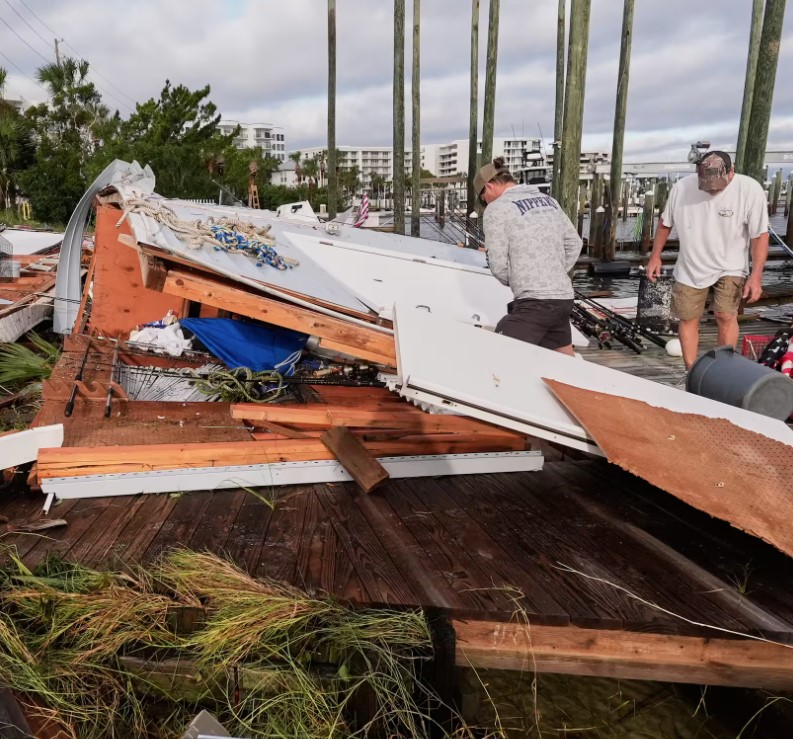
Hurricane Isaias made landfall near Destin, Florida, on Friday night as a Category 2 storm with 105 mph winds, leaving widespread damage, flooding and power outages across the northern Gulf Coast.
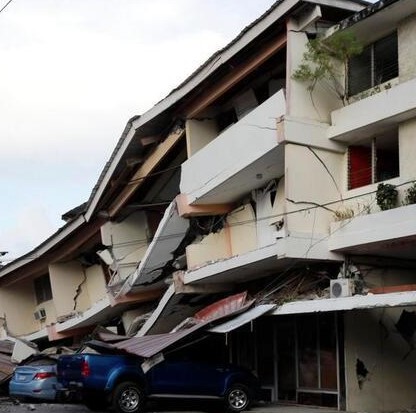
A magnitude 7.7 earthquake struck southern Panama on Friday, partially collapsing the San Juan Bautista cathedral in Penonomé and injuring at least 27 people, authorities said.