Hong Kong has added temperature checks and travel declarations for flights from Russia after a lab worker’s death in Siberia.

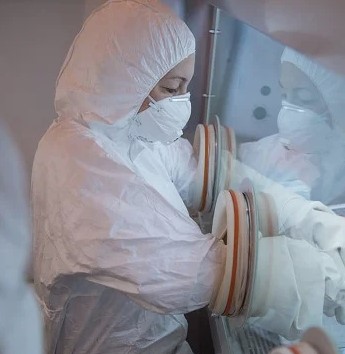
Hong Kong has added temperature checks and travel declarations for flights from Russia after a lab worker’s death in Siberia.
Hong Kong has stepped up health checks on travelers arriving from Russia after the death of a laboratory worker at a Siberian anti-plague institute, even as its own health authorities say the risk to the city is low. The measures show how far the unanswered questions around the Irkutsk case have travelled, more than a week after the death first set off fears of pneumonic plague.
The Centre for Health Protection (CHP) announced the steps in a press release issued at 4:25 p.m. Hong Kong time on Monday, October 12, saying it had been seeking information since media reports emerged in early October. The CHP described the case as a laboratory worker in Irkutsk Oblast who died from severe pneumonia of undetermined cause. It did not describe the illness as plague. That wording matches the diagnosis given by Russia’s health watchdog, Rospotrebnadzor, which has called it pneumonia of unknown etiology, while some media outlets have used the word plague in their headlines.
The CHP’s assessment relies on information the World Health Organization received from Russian authorities. According to that account, there has been no recent plague case in the region, tests on the deceased worker’s contacts found no high-threat pathogens, and no further linked cases of severe pneumonia have been reported. Russian authorities have also said no biosecurity incident was recorded at the laboratory, and the hospital that treated the worker was placed under quarantine. The WHO has found no evidence of ongoing transmission and will keep monitoring, but it has identified the unconfirmed cause of death as a key uncertainty.
On that basis, the CHP assessed the immediate public health impact on Hong Kong as low. It said it has received no reports of residents or travelers arriving from Russia with pneumonia of undetermined cause in recent months.
The precautions are nonetheless concrete. The CHP said it is carrying out health surveillance for passengers on relevant flights from Russia, including temperature checks at boarding gates and health assessments for anyone showing symptoms. Signs, announcements and airline notices at the airport ask people who have visited Irkutsk Oblast in the past 14 days to declare their travel history to Department of Health staff. Travelers with pneumonia symptoms will be assessed by Port Health Division officers and, if needed, transferred to a public hospital for testing. The Airport Authority Hong Kong and airlines have been briefed, and airlines have been asked to have crews enforce prevention measures if they identify suspected cases on board.
Doctors are also being told to stay alert. The CHP is sending letters to clinicians asking them to be highly vigilant and to strengthen surveillance. Any patient who visited Irkutsk Oblast within 14 days before symptoms began and has pneumonia of undetermined cause must be reported to the CHP immediately so testing can be arranged. The public has been advised that anyone who develops respiratory symptoms after returning to Hong Kong should wear a face mask, seek medical attention and tell their doctor about their travel history. The CHP said it will keep working with the WHO and other health authorities and will adjust its measures as needed.
The Hong Kong response follows more than a week of conflicting information from Russia. The worker, identified by Radio Free Europe/Radio Liberty as 28-year-old Darya Shipilova, was hospitalized on September 29 and died in the early hours of October 2. Regional officials initially avoided naming the disease, and Alexey Tsydenov, the head of neighboring Buryatia, wrote that she had died of plague before editing his post to say she had possibly died of it. Local media reported that nearly 200 people were placed under medical observation. Russia’s health watchdog has insisted the situation in the region is stable and that no incident involving pathogenic microorganisms was recorded at the institute.
Russian officials have since said plague was not detected among the contacts tested so far, and WHO chief Tedros Adhanom Ghebreyesus has said Russian authorities told the agency no plague case has recently been registered in the Irkutsk region. The United States, for its part, called for transparency after a State Department spokesperson referred to reports of a fatal case of suspected pneumonic plague. Headlines have also suggested that US health authorities have put measures in place to assess travelers from the affected region, though the details of those steps were not available at the time of writing.
Hong Kong’s approach is targeted rather than sweeping. The CHP’s announcement focuses on flights from Russia and on travelers who have been to Irkutsk Oblast, and it asks them to declare their travel history rather than announcing any travel restrictions. The 14-day window in the advisory is meant to capture anyone who could have been exposed before symptoms appeared. Health officials say the steps are precautionary, put in place while the cause of the Russian worker’s death remains unconfirmed, and will be adjusted if the picture changes. The measures also put the burden on airlines, airport staff and doctors to spot a possible case early, and the CHP briefed the Airport Authority and carriers and wrote to clinicians at the same time.
The central uncertainty remains the one the WHO has flagged: nobody outside Russia has publicly confirmed what killed the technician. Without an independently verified diagnosis or an account of what happened inside the laboratory, precautionary measures like Hong Kong’s are likely to continue, and other governments may follow. For travelers, the practical advice is simple. Anyone arriving from Irkutsk Oblast should be ready to declare their recent travel, and anyone who feels unwell after arriving should wear a mask and see a doctor.
The coming days should show whether any further cases emerge, whether Russia releases a definitive cause of death, and whether the WHO’s monitoring turns up anything that changes its current assessment of no ongoing transmission, which would be the clearest signal yet of whether the precautions now in place in Hong Kong can be eased or need to be widened.

Hong Kong has added temperature checks and travel declarations for flights from Russia after a lab worker’s death in Siberia.
About 20 percent of the world’s oil passes through the Strait of Hormuz, where Iran and the US are trading threats.
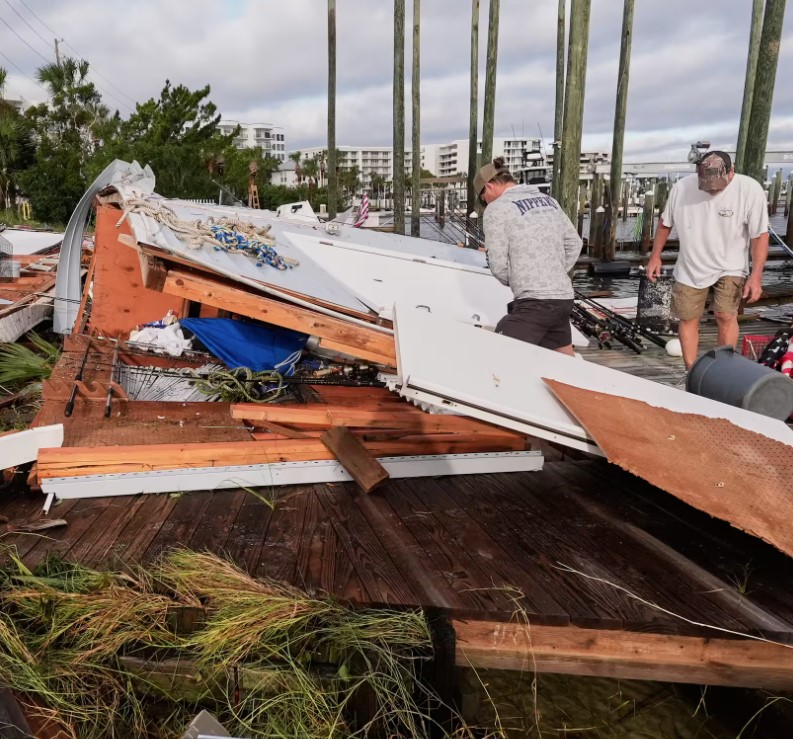
Hurricane Isaias made landfall near Destin, Florida, on Friday night as a Category 2 storm with 105 mph winds, leaving widespread damage, flooding and power outages across the northern Gulf Coast.
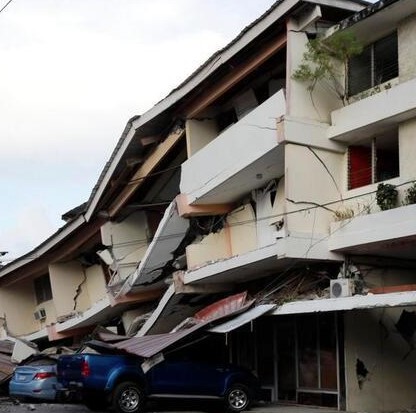
A magnitude 7.7 earthquake struck southern Panama on Friday, partially collapsing the San Juan Bautista cathedral in Penonomé and injuring at least 27 people, authorities said.