The federal government imposed an emergency and governor’s rule in Khyber Pakhtunkhwa on Sunday, citing the provincial government’s alleged disengagement from counterterrorism efforts. PTI has rejected the move.

The federal government imposed an emergency and governor’s rule in Khyber Pakhtunkhwa on Sunday, citing the provincial government’s alleged disengagement from counterterrorism efforts. PTI has rejected the move.
The federal government on Sunday imposed an emergency and governor’s rule in Khyber Pakhtunkhwa (KP), effectively suspending the provincial government led by Pakistan Tehreek-e-Insaf (PTI), after President Asif Ali Zardari approved a recommendation from the federal cabinet. PTI has rejected the decision and said it will challenge it through the courts, the assemblies and public forums.
The measures were taken under Articles 232 and 234 of the Constitution, which provide for the proclamation of an emergency and for governor’s rule in a province. They followed an emergency cabinet meeting chaired by Prime Minister Shehbaz Sharif. The Prime Minister’s Office said the cabinet had reviewed the deteriorating security situation in the province and accused the PTI-led provincial government of “deliberate disengagement” from the fight against terrorism. Sharif told the cabinet that the provincial government would not be allowed to undermine the country’s economic stabilisation efforts, according to Business Recorder.
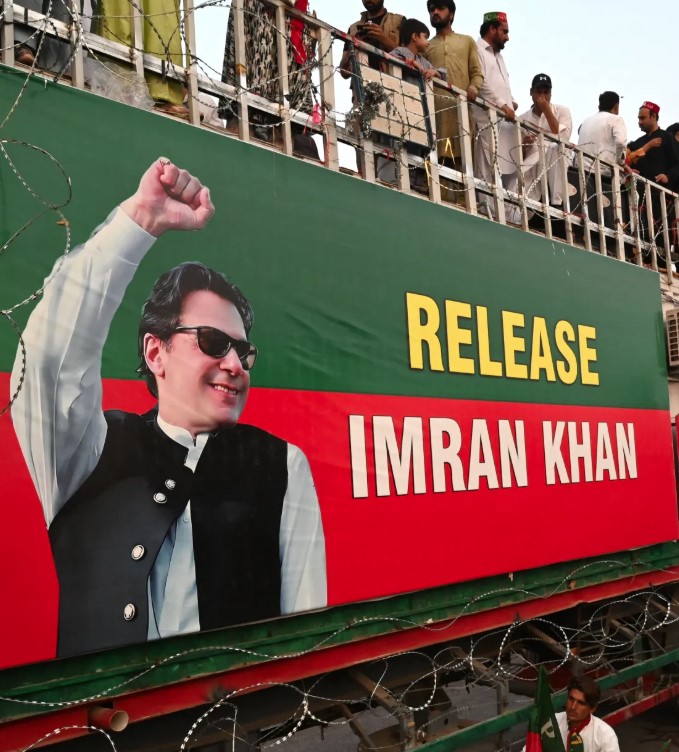
The decision came after weeks of rising tension between Islamabad and the PTI leadership. The federal coalition had earlier warned that it could resort to governor’s rule or an emergency if the provincial leadership did not call off a PTI march toward Islamabad, organised to demand the release of party founder Imran Khan. Information Minister Ataullah Tarar hinted at both options late on Saturday, a day before the cabinet met.
Within hours of the announcement, PTI said Chief Minister Sohail Afridi and the party’s provincial president, Junaid Akbar, had been arrested, according to a post on X from Akbar’s official account. KP Information Minister Shafi Jan, who had been travelling with the chief minister on the march, also said Afridi had been taken into custody. PTI spokesperson Sheikh Waqas Akram said the arrest could not be viewed in isolation from the federal decision to impose emergency and governor’s rule. Afridi, who became chief minister in October 2025, had earlier said he would not accept what he called an illegal move.
Governor Faisal Karim Kundi, who now assumes executive authority in the province, welcomed the proclamation. He said it had been taken to establish peace in Khyber Pakhtunkhwa and for the prosperity and development of its people, adding that residents wanted stability instead of unrest and insecurity. The federal government also appointed Dr Muhammad Fakhr Alam Irfan, a Grade 22 officer of the Pakistan Administrative Service who had been serving as secretary of the Power Division, as the province’s chief secretary with immediate effect.
PTI took a sharply different view. Its parliamentary committee met and categorically rejected the emergency and governor’s rule, and the party said peace cannot be established by weakening provincial autonomy. PTI leader Gohar said the party would challenge governor’s rule in court and in the assemblies. The party has framed the move as political, a claim the federal government disputes by pointing to the security situation.
On the ground, the first signs of a crackdown were reported by Monday. Dawn said police scuttled a meeting in Swabi held by a former KP chief minister as part of what it described as a crackdown on PTI. The developments are likely to fuel further protest, and some commentators have warned that the imposition of governor’s rule in an opposition-governed province could deepen the political confrontation between the centre and the PTI.
The dispute turns on two questions that the courts and the political process will now have to address. The first is whether the security situation in KP, a province that borders Afghanistan and has been at the centre of Pakistan’s fight against militancy, meets the constitutional threshold for an emergency. The second is how long the arrangement will last and what it means for the elected provincial assembly and the people who voted for it. Governor’s rule under the Constitution is meant to be temporary, and both sides now expect the matter to be contested in the Supreme Court and in the streets.
For now, the province is under federal control, its elected chief minister is reportedly in custody, and PTI has promised a legal and political fight. How quickly the courts respond, and whether the federal government can show the security grounds it cited, will shape what happens next.


Hurricane Isaias made landfall near Destin, Florida, on Friday night as a Category 2 storm with 105 mph winds, leaving widespread damage, flooding and power outages across the northern Gulf Coast.
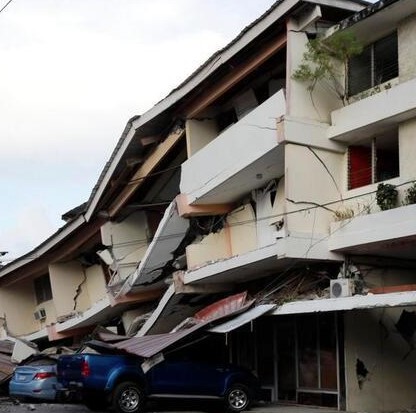
A magnitude 7.7 earthquake struck southern Panama on Friday, partially collapsing the San Juan Bautista cathedral in Penonomé and injuring at least 27 people, authorities said.
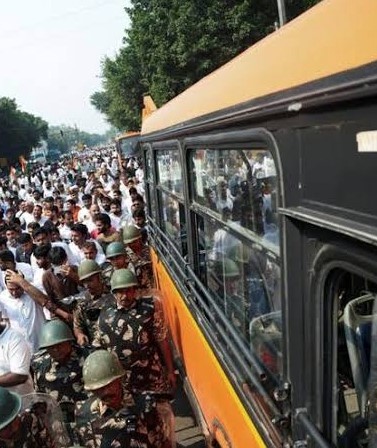
Authorities closed six Delhi metro stations and restricted traffic on more than 20 stretches on Monday as opposition parties marched to the Supreme Court over a controversial revision of voter lists.
The federal government imposed an emergency and governor’s rule in Khyber Pakhtunkhwa on Sunday, citing the provincial government’s alleged disengagement from counterterrorism efforts. PTI has rejected the move.