Iran’s Revolutionary Guard says a container ship carrying more than 2,500 containers sank near the Strait of Hormuz after hitting a naval mine, while shipping officials report two Singapore-registered vessels were hit by unknown projectiles.
Iran’s Revolutionary Guard says a container ship carrying more than 2,500 containers sank near the Strait of Hormuz after hitting a naval mine, while shipping officials report two Singapore-registered vessels were hit by unknown projectiles.
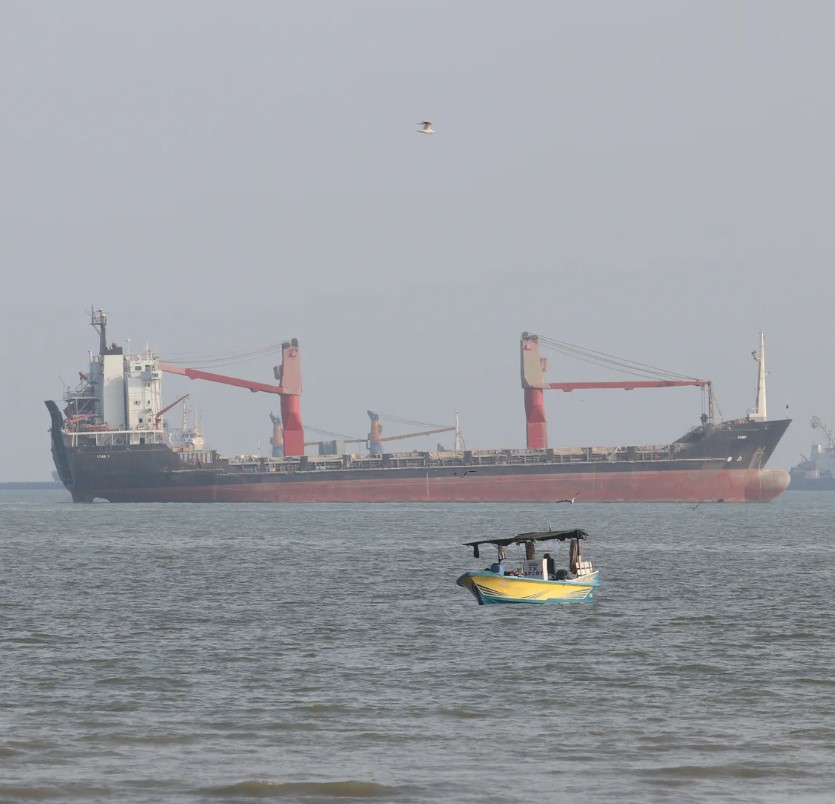
Iran’s Revolutionary Guard Corps (IRGC) Navy said on Wednesday that a container ship carrying more than 2,500 containers sank in waters south of the Strait of Hormuz after hitting a naval mine and catching fire, in what Iranian media described as the first time during the war that Iran has reported a ship sinking after a mine strike. Shipping officials and a US official gave different accounts of what struck the vessels in the strait this week.
The IRGC statement, carried by Iranian state media, said the ship was attempting to navigate what it called an unauthorised and dangerous route when it exploded and caught fire early on Wednesday morning. It warned local vessels and fishermen to take care because containers from the ship were floating on the surface. The statement did not give the ship’s name, flag, owner or the condition of its crew.
Shipping officials described the incidents differently. The Maritime and Port Authority of Singapore said two Singapore-registered cargo ships were hit by “unknown projectiles” while transiting the strait on Tuesday and Wednesday. One sank and the other reached safety. All crew members were evacuated from the first ship, and no injuries were reported in either incident, the authority said. It called such attacks unprovoked and a breach of international law. It remains unclear whether the Singapore-flagged ship that sank is the same vessel Iran says struck a mine.
The United Kingdom Maritime Trade Operations (UKMTO) separately reported, in a delayed notice, that an unknown projectile struck a container ship as it entered the strait. That report did not mention a mine or a sinking, according to IranWire. A US official told ABC News that Iran attacked the ship, likely with a missile, a claim that has not been independently verified. Iran has not commented on those accounts beyond its mine statement.
The sinking follows a pattern of escalating incidents. On October 10, the IRGC said a supertanker exploded and caught fire after hitting a mine in the strait, and warned that vessels it considers “offending” would be pursued and penalised across the region, not only in the strait. ABC News cited about 20 reported attacks on shipping in the strait since the start of October. The Maritime Joint Information Center classified the threat level as “severe” and assessed the likelihood of new intentional attacks as “very high.” Al Arabiya reported that Iranian officials were shifting tactics to step up attacks on shipping ahead of the US midterm vote.
The strait is central to the wider war. Iran closed it to what it called unfriendly nations in early March, allowing only Iran-approved vessels to pass, a position that Britain’s Royal Navy said was not legally binding but that left many ships waiting in port or turning back. The United States launched an escort operation, Project Freedom, on May 4 to reopen the waterway, and has said it would destroy Iranian vessels laying mines. US Central Command on Tuesday rejected IRGC claims that it controls the strait, saying American forces and regional partners hold control and mocking the IRGC navy.
The strait carried roughly one-fifth of the world’s oil before the war, so the incidents have implications beyond the region. Insurers and shipping lines have repeatedly adjusted routes and costs in response to attacks, and the latest sinking is likely to add to concerns about the risk to crews and cargo. Containers lost at sea can also become hazards for other vessels, which is why the IRGC’s warning to local mariners drew attention.
Also Read: China and North Korea Open New Yalu River Bridge, 12 Years After Its Completion
What remains unresolved is the cause. A mine explosion and a projectile strike are different events with different legal and political consequences, and neither Iran’s claim nor the US assertion has been independently confirmed. Investigators typically rely on the ship’s flag state, the owner and insurers to establish what happened, and none had released findings at the time of writing.
For now, the strait remains one of the most dangerous waterways in the world, with competing claims about who controls it and who is responsible for the attacks. How the Singapore-registered ships’ cases are resolved, and whether further sinkings follow, will shape both the shipping industry’s response and the diplomatic debate over the war.

Iran’s Revolutionary Guard says a container ship carrying more than 2,500 containers sank near the Strait of Hormuz after hitting a naval mine, while shipping officials report two Singapore-registered vessels were hit by unknown projectiles.
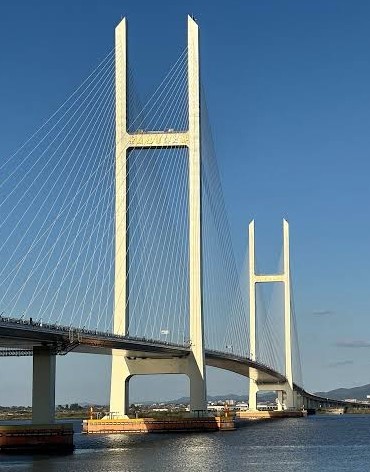
Trucks decked with flags crossed the 3-km New Yalu River Bridge on Thursday as China and North Korea officially opened their most significant land border crossing, 12 years after the bridge was completed.

Hong Kong has added temperature checks and travel declarations for flights from Russia after a lab worker’s death in Siberia.
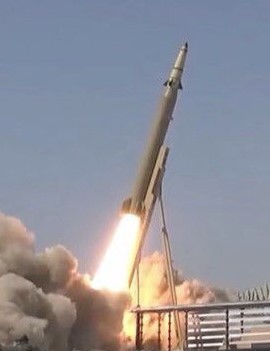
About 20 percent of the world’s oil passes through the Strait of Hormuz, where Iran and the US are trading threats.