Cargo ships lie at anchor in the Strait of Hormuz off Bandar Abbas, Iran, on October 24. The US carried out limited strikes on nearby Qeshm Island on Monday, officials said. (AP)

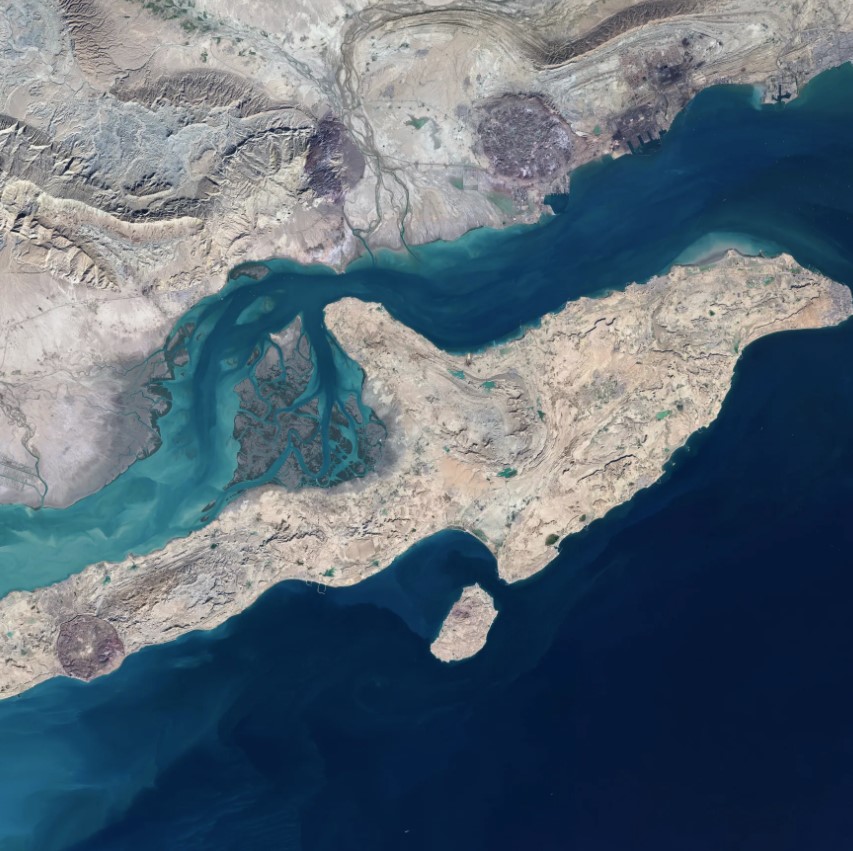
Cargo ships lie at anchor in the Strait of Hormuz off Bandar Abbas, Iran, on October 24. The US carried out limited strikes on nearby Qeshm Island on Monday, officials said. (AP)
The United States carried out limited strikes on Iran’s Qeshm Island in the Strait of Hormuz on Monday, US officials said, describing them as defensive action in response to Iranian fire, while Tehran cast doubt on diplomatic efforts to end the war and reopen the vital shipping lane.
The strikes were first reported by The Wall Street Journal and came on the eve of the US midterm elections. One US official said they targeted “Iranians using surface to air missiles against U.S. assets,” and another told The Jerusalem Post that Revolutionary Guard personnel had launched a missile from Qeshm toward an American aircraft over the strait. Officials told NBC News and ABC News the operation was not a resumption of major combat operations. Iranian state media reported several explosions on Qeshm, and the Associated Press said explosions were also reported on Hengam Island and near the mainland city of Bandar Abbas.
Qeshm is the largest island in the Persian Gulf, and the US has struck it before. The Jerusalem Post, citing Al-Ain News, said it holds extensive underground military infrastructure linked to the Revolutionary Guard, a position that lets Iran threaten shipping and also exposes its facilities to attack. ABC reported that the US strikes in recent weeks had not been publicized, to avoid signaling a return to full-scale war, and The Wall Street Journal said the campaign had been kept quiet on purpose. NBC News noted that the strikes came even though President Donald Trump had said there would be no strikes on Iran before the midterms.
The two sides disagreed over a separate incident on Monday. Iran claimed it had shot down two RQ-170 reconnaissance drones, a claim ABC reported a US official said was false.
The strikes came as talks to end the war continued. Vice President JD Vance said on Monday that he was optimistic about reaching a “negotiated settlement” with Iran and that Washington had set no deadline. Trump signaled progress in talks to avoid a return to war, according to CBS News, and Tehran said “intensive” exchanges were under way while offering to reopen the Strait of Hormuz under strict conditions. An Iranian official nonetheless said the two countries remained far from a deal.
On Tuesday, a senior Iranian figure called the Trump administration’s response to the latest proposal “not convincing,” according to CBS News. The figure said Iran’s demands, including a halt to fighting on all fronts in the Middle East, must be met if the strait is to reopen. Foreign Minister Abbas Araghchi, quoted by Iranian state media IRNA, reiterated that Tehran will not back down from its conditions. Both sides’ officials said mediators are trying to advance a framework in which Iran would stop its attacks in the strait in exchange for US concessions, reopen the waterway to commercial shipping and commit to further talks on its nuclear program.
Also Read: Ebola Outbreak Has Killed More Than 5,300 People, Mostly in DR Congo, Africa CDC Says
The pressure on shipping is a central issue. According to AP, October saw the most attacks on commercial ships in the Strait of Hormuz since March, as Iran has tried to increase economic pressure on the US. CBS News reported that since the war began, Iran has targeted vessels in the strait and the wider Gulf in an effort to assert control over shipping. Oil prices dropped sharply on Monday as renewed diplomatic efforts appeared to show signs of headway, AP reported, a reminder of how closely energy markets track developments in the strait.
The war began on February 28, when the United States and Israel launched strikes on Iran. A memorandum reached in June sought to end the fighting and reopen the strait, but Britannica reports that the two sides interpreted its wording differently. The US read it as requiring Iran to guarantee safe passage for commercial vessels, while Iran saw it as recognition of its role in controlling traffic and charging fees. An interim truce collapsed on July 8, according to Wikipedia, after Iran was accused of striking commercial ships and the US responded by striking Iranian territory.
Pakistan has been a central mediator in the conflict, according to the Atlantic Council, which says it played a lead role in brokering the ceasefire announced on April 8, and it hosted direct talks between US and Iranian delegations in Islamabad in April. The reports reviewed do not say which mediators are driving the current framework.
Also Read: Saudi Arabia Says Houthi Drone Strike Hit Medina Power Station Supplying Prophet’s Mosque
Other pressures are building around the talks. Israeli Prime Minister Benjamin Netanyahu is urging the Trump administration to carry out another wave of strikes on Iran, regional officials told AP. China’s foreign ministry said on Monday that a special envoy will visit Iran, Oman and Saudi Arabia in early to mid-November. AP also reported that Iranian attacks on US bases since the start of the war have caused billions of dollars in equipment damage, that Gulf nations have spent billions to strengthen their defenses, and that Houthi attacks on Saudi Arabia are continuing.
What comes next is unclear. The limited US strikes have not been described as the start of a new offensive, and officials on both sides say they are still talking. But Iran says its conditions are firm, Washington says its strikes are defensive, and ships in the strait remain under threat. Whether the mediators’ framework can bridge that gap, and whether the incidents around Hormuz stay limited, will determine if the diplomacy Vance described can hold.


Binance, the world’s largest cryptocurrency exchange, says hackers used a fake job interview and an internal AI tool to steal about $6.3 billion in a record crypto heist.
Cargo ships lie at anchor in the Strait of Hormuz off Bandar Abbas, Iran, on October 24. The US carried out limited strikes on nearby Qeshm Island on Monday, officials said. (AP)
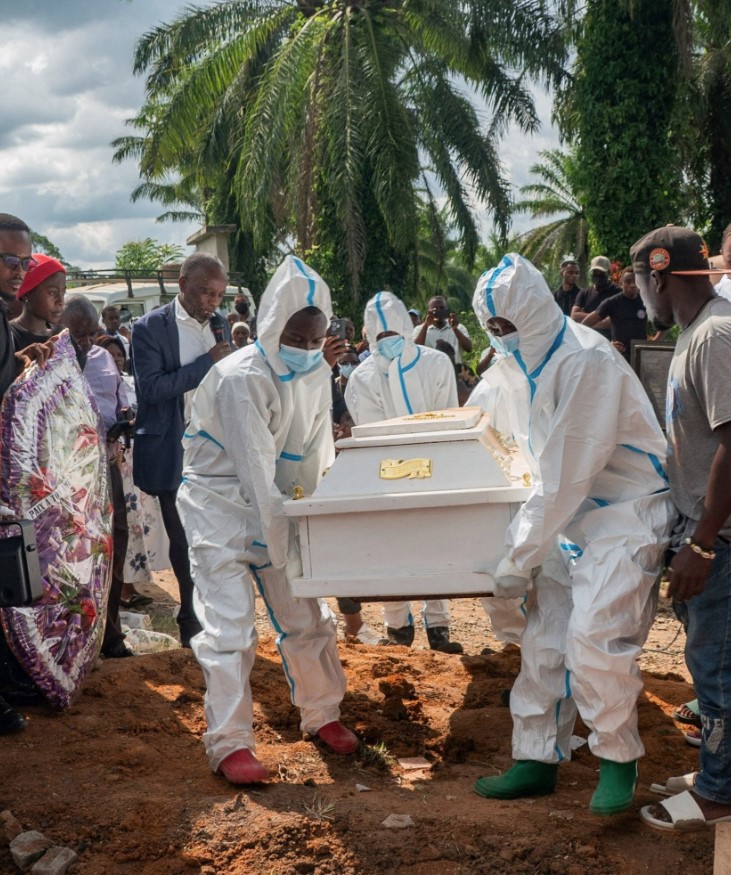
Congolese medical workers in protective equipment prepare to bury Dr Marie-France Shogogo, who died at an Ebola treatment centre after contracting the virus, in Bunia, Ituri province, on October 31. (Gradel Muyisa Mumbere/Reuters)
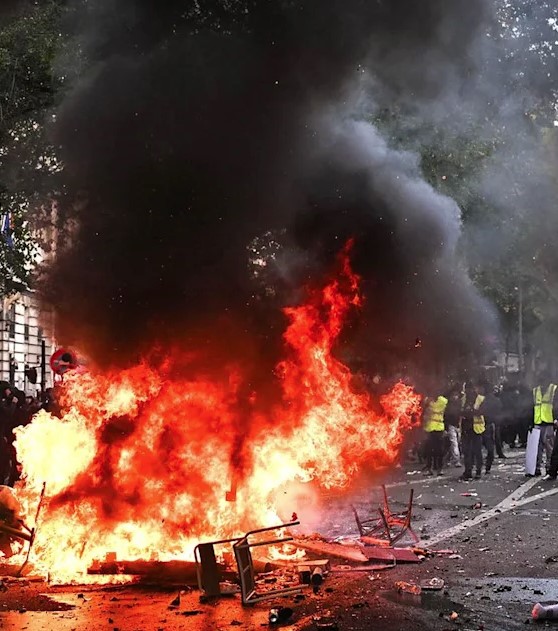
Riot police advance through tear gas near Porte de Charenton in Paris on October 31, 2026, at the end of a march by about 70,000 people on the third consecutive Saturday of nationwide protests over living costs and education.