Deinfluencing videos have surged online, with creators telling followers what not to buy, but the trend still operates within the same attention economy that fueled fashion overconsumption in the first place.




Deinfluencing videos have surged online, with creators telling followers what not to buy, but the trend still operates within the same attention economy that fueled fashion overconsumption in the first place.
Somewhere in the last two years, a strange new genre of content took over fashion social media: videos of influencers telling you, with great conviction, not to buy something. Deinfluencing, as it’s now called, has become one of the platform’s fastest-growing subcultures, with online mentions of the trend surging significantly year over year as creators build entire followings around talking people out of purchases rather than into them. It’s being framed as a correction, a long-overdue pushback against the endless buy-buy-buy churn of haul culture. The problem is that deinfluencing isn’t actually a rejection of that system. It’s a new outfit for the exact same machine.
Start with the obvious irony: deinfluencing is still influencing. A creator telling 200,000 followers not to buy a viral dupe is still performing authority, still building a personal brand, still generating the exact engagement metrics that determine who gets paid, who gets brand deals, and who gets algorithmically boosted. The content format has changed. The underlying incentive structure, attention as currency, has not. If anything, deinfluencing content often performs better than traditional hauls, because moral clarity is a more compelling hook than another try-on video. Telling people what’s overhyped and fake feels smarter, more discerning, more trustworthy than telling them what’s cute. That trust is exactly what makes the format so valuable, and eventually, so monetizable.
Also Read: The LHC Doomsday Panic Says More About Us Than About CERN
And monetized it has been. Plenty of deinfluencing content doesn’t actually discourage spending at all, it just redirects it. A creator says skip the $12 fast fashion top, then pivots to recommending a $40 “investment piece” from a brand they have a paid partnership with. The message isn’t “buy less.” It’s “buy differently, and preferably from whoever is sponsoring this video.” That’s not a rejection of consumption culture. It’s a consumption culture with a more sophisticated moral vocabulary attached to it.
There’s a related trend worth examining alongside it: outfit repeating, which has been picked up by celebrities and influencers as a way of publicly modeling restraint. On its face, this seems like a genuinely healthy shift, a pushback against the manufactured urgency of needing a new outfit for every occasion. But it’s worth asking who gets to participate in this particular form of virtue. A celebrity re-wearing a designer gown to a red carpet is making a very different statement than a person re-wearing their only work blazer because that’s what they can afford. When restraint becomes aspirational content, made possible by the fact that the person doing it already has an enormous wardrobe to draw from, it risks turning frugality into another kind of costume, worn for the cameras rather than lived out of necessity.
Also Read: Rare Bacteria Traced to Meta AI Data Center Sparks Water Contamination Alarm in Wyoming
None of this is to say the impulse behind deinfluencing is dishonest. There’s a real and growing discomfort with fast fashion’s human cost. Less than 2% of garment workers globally earn a living wage, according to a recent International Labour Organization report, a statistic that has circulated widely enough to make its way into everyday conversations about what we buy and why. People are genuinely uneasy about that, and deinfluencing taps into that unease in a way that feels productive. But there’s a meaningful difference between a trend that disrupts the underlying system and one that simply gives people a more comfortable way to keep participating in it while feeling slightly better about themselves.
The deeper issue is structural, and no individual behavior change, whether that’s decluttering your shopping cart or re-wearing last season’s blazer, touches it. Fast fashion’s business model depends on volume: cheap materials, cheap labor, and an enormous churn of micro-trends designed to expire quickly so the next one can take its place. That model doesn’t get dismantled by a wave of videos, however well-intentioned, that still live inside the same platforms, the same algorithms, and the same creator economy that built the overconsumption problem in the first place. If anything, brands have shown they’re perfectly capable of absorbing critique as content. Some retailers have leaned into resale and repair programs, which is a genuinely useful shift, but plenty of others have simply learned to sprinkle sustainability language over business models that haven’t fundamentally changed.
None of this means individual choices don’t matter, or that the people making deinfluencing content are acting in bad faith. Many clearly aren’t. But it’s worth being honest about what the trend actually is: a symptom of collective guilt about consumption, expressed through the same content formats and incentive structures that produced the guilt in the first place. Real change in fashion’s relationship with overconsumption will require regulation, supply chain accountability, and structural shifts in how clothing gets made and priced, not a more virtuous-sounding version of the same content cycle. Until then, deinfluencing will keep functioning less as a solution and more as fashion’s way of processing its own discomfort out loud, one video at a time.
Also Read: Why Sydney Sweeney Represents the Modern Idea of Talent and Intelligence


Two critical vulnerabilities in PHP, found with the help of AI models and dubbed PHP2Shell, prompted emergency patches and temporary website shutdowns around the world this week.

A magnitude 7.0 earthquake struck a remote, high-altitude area of northern Tibet on Thursday night, killing at least 16 people and collapsing more than 300 houses, according to Chinese state media.
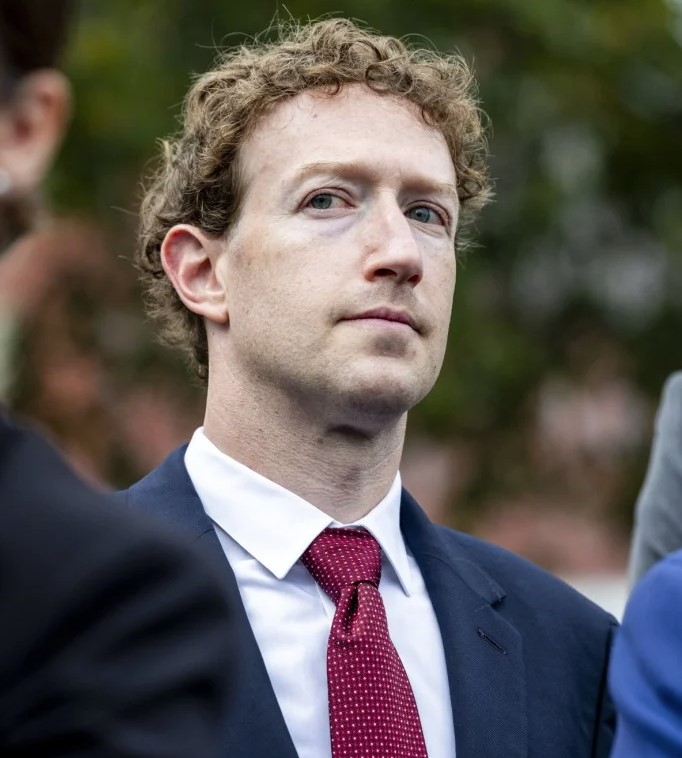
A New Mexico judge ordered Meta to pay the state $25 billion on Wednesday after a jury found the company misled consumers about data privacy, in one of the largest financial penalties in US history.
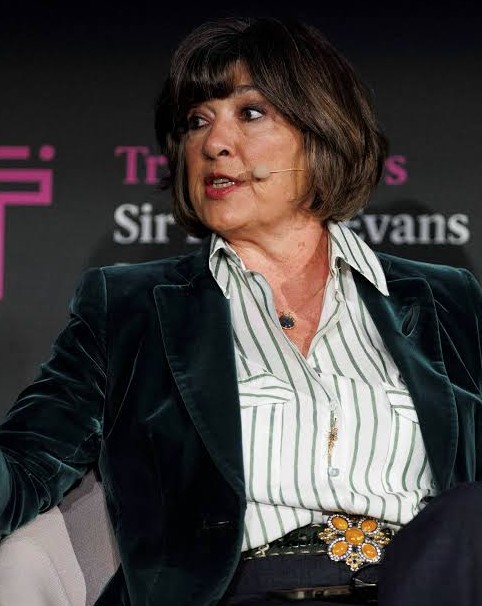
Christiane Amanpour, 68, announced on Monday that she will leave CNN at the end of June 2027 after 43 years, scaling back her show to once a week from early 2027.