Starbucks will close about 250 underperforming stores across North America this week, even as the company reports its strongest sales growth in years under CEO Brian Niccol.



Starbucks will close about 250 underperforming stores across North America this week, even as the company reports its strongest sales growth in years under CEO Brian Niccol.
Starbucks announced Thursday that it will close approximately 250 underperforming cafes across North America this week, marking the second major round of store closures under CEO Brian Niccol’s ongoing turnaround effort, even as the company posts its strongest sales growth in years.
The closures represent roughly 1% of Starbucks’ more than 18,000 North American locations. In a letter to employees, Chief Operating Officer Mike Grams explained the reasoning behind the cuts plainly: “We have carefully reviewed our North America coffeehouse portfolio and identified locations where we do not believe we can consistently deliver the experience we want for customers and partners or where we don’t see a path to acceptable financial performance.” Starbucks said affected baristas would be moved to other stores where possible, with severance support offered to those who cannot be placed elsewhere.
This is not the first time Niccol, who joined Starbucks in September 2024 after leading a widely credited turnaround at Chipotle, has trimmed the company’s footprint. Starbucks closed 627 stores in a similar round last September, alongside 900 corporate layoffs, as part of what the company described at the time as a $1 billion restructuring effort. That earlier wave also touched operations beyond North America, with some locations in the UK, Austria and Switzerland closing as well. The company followed up in May with a further 300 corporate job cuts and the closure of some underused US offices, part of a broader consolidation that has also included asking corporate staff to relocate to a new headquarters hub in Nashville, with those who declined the move among those affected by earlier layoffs.
The closures arrive at a moment that, on paper, looks considerably brighter for Starbucks than it did when Niccol first took over. The company’s most recent quarterly results, released in July, showed global comparable store sales up 7.9%, ahead of the 5.7% growth Wall Street analysts had expected, according to Bloomberg data, and an improvement on the 6.2% growth recorded the previous quarter. North America comparable sales specifically rose 8.1%, driven by a 4.5% increase in transactions and a 3.5% rise in average ticket size, marking four consecutive quarters of sales growth after the company had previously reported six straight quarters of decline before Niccol’s arrival. Non-GAAP operating margin expanded 430 basis points year over year to 14.4%, and non-GAAP earnings per share climbed 70% to $0.85, prompting Starbucks to raise its full fiscal year 2026 guidance, projecting global comparable sales growth nearing 6% and non-GAAP earnings per share between $2.55 and $2.65.
Also Read: McDonald’s Introduces Caesar Sauce as Fans Call for Salads to Return
Niccol tied that improvement directly to the changes made under his “Back to Starbucks” plan, which has focused heavily on reviving the company’s traditional coffeehouse identity after years of the chain being caught, as one report described it, “too fancy to be basic, too basic to be fancy” relative to both cheaper competitors and more upscale coffee shops. “Our Back to Starbucks plan was built on the belief that an extraordinary cup of coffee, human connection and customer experience win the day, every day,” Niccol said in the company’s July earnings release. “Our third-quarter results are proof they do.” The plan has included trimming nearly a third of the menu, committing to drinks ready in four minutes or less, eliminating upcharges for nondairy milk, and redesigning stores to encourage customers to stay longer, complete with ceramic mugs and free refills for those who linger in cafes rather than ordering to go.
Grams was careful to frame this week’s closures as consistent with that broader strategy rather than a sign of underlying weakness, emphasizing that the “overwhelming majority” of Starbucks’ North American stores remain profitable and that the company continues to see substantial room for growth. “We are actively developing a strong pipeline of new coffeehouses and remain committed to growth,” the company said in a statement. Alongside the closures, Starbucks is simultaneously investing in renovating its existing footprint, announcing plans this week to accelerate coffeehouse redesigns aimed at restoring a “cozier,” more traditional cafe atmosphere. The company said it intends to complete at least 1,500 of these “uplift” renovations by the end of fiscal year 2026, with the pace increasing further into fiscal 2027, alongside a separate announcement that it plans to open a new technology hub in India next year as part of its broader operational expansion.
The timing of this week’s closures, landing just days before the close of Starbucks’ fiscal year on September 30, gives the company a cleaner slate heading into its next reporting period, allowing the closures and the accompanying sales momentum to be presented together as evidence that Niccol’s restructuring strategy is working as intended. Whether that framing holds up as the company moves into fiscal 2027, with its expanded renovation targets and continued portfolio trimming, will likely depend on whether the sales momentum reported this summer proves durable, or whether Starbucks finds itself, a year from now, announcing yet another round of closures as part of the same ongoing turnaround story.

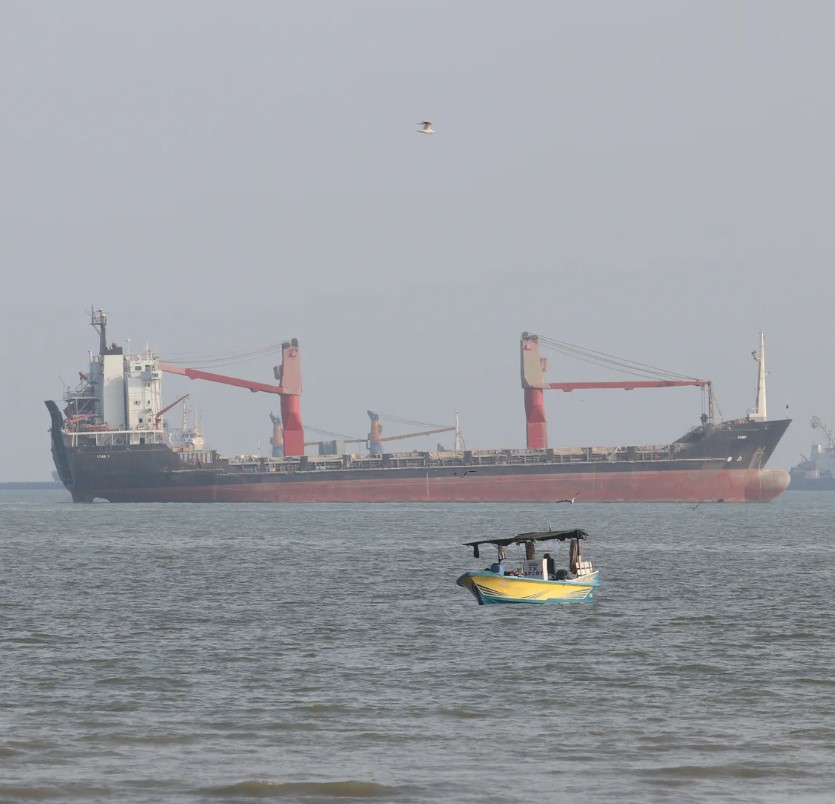
Iran’s Revolutionary Guard says a container ship carrying more than 2,500 containers sank near the Strait of Hormuz after hitting a naval mine, while shipping officials report two Singapore-registered vessels were hit by unknown projectiles.
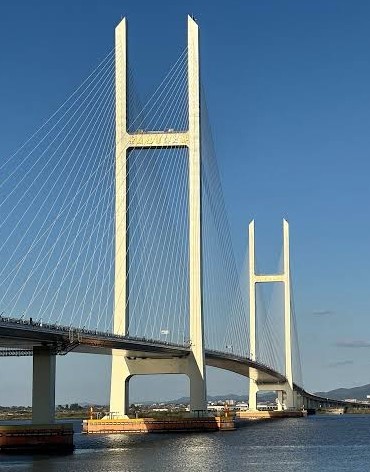
Trucks decked with flags crossed the 3-km New Yalu River Bridge on Thursday as China and North Korea officially opened their most significant land border crossing, 12 years after the bridge was completed.

Hong Kong has added temperature checks and travel declarations for flights from Russia after a lab worker’s death in Siberia.
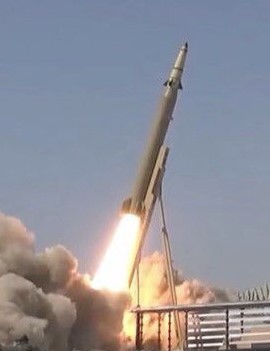
About 20 percent of the world’s oil passes through the Strait of Hormuz, where Iran and the US are trading threats.