A magnitude 7.0 earthquake struck a remote, high-altitude area of northern Tibet on Thursday night, killing at least 16 people and collapsing more than 300 houses, according to Chinese state media.


A magnitude 7.0 earthquake struck a remote, high-altitude area of northern Tibet on Thursday night, killing at least 16 people and collapsing more than 300 houses, according to Chinese state media.
A magnitude 7.0 earthquake struck a remote, high-altitude part of northern Tibet on Thursday night, killing at least 16 people and injuring dozens more, Chinese state media reported. At least 339 houses collapsed, and officials say the extent of the damage is still being assessed.
The quake hit at 10:33 p.m. local time, according to the US Geological Survey (USGS). The epicentre was about 119 miles (190 kilometres) east-northeast of Nagqu, in a mountainous area, and about 390 kilometres northeast of the regional capital, Lhasa. Xinhua said the epicentre was in Maru township in Baqen county. The China Earthquake Networks Center said the average elevation within five kilometres of the epicentre is more than 4,800 metres, which makes this one of the highest and most sparsely inhabited parts of the plateau.
Casualty figures rose through the night. Xinhua initially reported 16 dead and 32 injured, and later reports citing Chinese state media put the number of injured at 54. At least 11 of the injured were in serious condition, according to one report. More than 300 houses collapsed, Xinhua said, and local media showed people leaving their homes as the ground shook. Maru township’s deputy head, Lhawang Dagpo, told Xinhua the quake was clearly felt in the township office, which sustained cracks in its walls. Reports from local officials suggest that the number of damaged homes could be considerably higher than the number that collapsed outright, though no estimate has been published.
The authorities activated a Level-II earthquake disaster emergency response, and relief work was ongoing, Xinhua reported. Level-II is one of the higher tiers in China’s four-level emergency system, and it allows provincial authorities to mobilise resources from across the region and request support from central government agencies. China’s state broadcaster CCTV said it was the biggest earthquake in the region in the last five years. The USGS said it was the strongest to hit China since January 2024.
The USGS put the earthquake’s depth at about 11 miles (18 kilometres), while Xinhua, citing the China Earthquake Networks Center, put it at about 6.2 miles (10 kilometres). Shallow earthquakes tend to produce stronger shaking at the surface, and the agencies’ different estimates are common in the first hours after a major quake, as each uses its own network of instruments and methods.
Also Read: Nepal Flood Death Toll Reaches 800 as 3,000 Remain Missing in Glacier Collapse Disaster
The USGS estimated that more than 100,000 people were exposed to moderate to severe shaking, even though the area is sparsely populated. The agency’s alert said shaking impacts were likely, some fatalities were possible and the disaster was potentially widespread. It noted that many residents of the region live in adobe or unreinforced brick buildings, which are vulnerable to strong shaking, and flagged a landslide hazard because of the steep terrain of the Tibetan Plateau. Aftershocks were expected, and the agency warned that a strong earthquake can be followed by others of significant size in the hours and days that follow.
The death toll is far lower than in some earlier earthquakes in the region, in part because the area is remote and sparsely populated. A magnitude 7.1 earthquake in Yushu, in neighbouring Qinghai province, killed at least 2,698 people in 2010 because it hit a more populated area with more vulnerable buildings. In January 2025, an earthquake of similar size in Tibet’s Tingri county killed at least 126 people. Experts say death tolls depend less on magnitude alone than on where the rupture occurs, how many people live nearby, how buildings perform and whether secondary hazards such as landslides add to the damage. In this case, the combination of a thinly populated area and an event that struck late at night may have limited the toll, though that has not been confirmed.
Tibet sits in one of the world’s most seismically active zones, where the Indian plate pushes beneath the Eurasian plate, lifting the Himalayas and the Tibetan Plateau. According to the USGS, 29 earthquakes of magnitude 7.0 or greater have struck the plateau and its boundaries since 1900. The largest, the magnitude 8.6 Assam-Tibet earthquake of August 1950, killed more than 4,000 people. Earthquakes of this kind are a constant feature of the region, and scientists say large events can occur on faults that have been quiet for decades.
The quake comes less than two months after a flash flood in the border region of Nepal and Tibet killed hundreds of people and destroyed several communities, CBS News noted. That disaster, triggered by a glacier collapse, left thousands of people missing at its peak and strained rescue resources in the area. The two events are not connected, but together they show how vulnerable the high Himalayan region is to natural hazards, and how difficult it can be to reach affected communities.
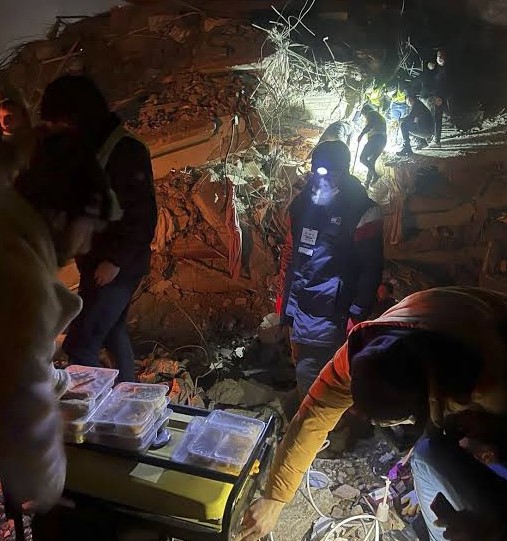
Rescue teams are working in difficult conditions in the new disaster zone. High altitude, cold nights and damaged roads complicate relief efforts, and the thin air at more than 4,800 metres makes physical work harder for rescuers and survivors alike. Those who have lost their homes will need shelter as temperatures drop on the plateau, and the arrival of winter will add to the urgency of providing tents, heating and food. Chinese authorities have a record of mobilising large relief operations quickly after major earthquakes, though access to remote areas can remain slow.
For now, officials are focused on search and rescue, treating the injured and assessing the damage. Chinese authorities have not said whether further casualties are expected, and the toll could rise as teams reach more remote settlements. Residents have been warned to expect aftershocks and to stay away from damaged buildings. A fuller picture of the damage should emerge in the coming days, as assessments are completed and communications improve in the affected townships.


Two critical vulnerabilities in PHP, found with the help of AI models and dubbed PHP2Shell, prompted emergency patches and temporary website shutdowns around the world this week.
A magnitude 7.0 earthquake struck a remote, high-altitude area of northern Tibet on Thursday night, killing at least 16 people and collapsing more than 300 houses, according to Chinese state media.

A New Mexico judge ordered Meta to pay the state $25 billion on Wednesday after a jury found the company misled consumers about data privacy, in one of the largest financial penalties in US history.

Christiane Amanpour, 68, announced on Monday that she will leave CNN at the end of June 2027 after 43 years, scaling back her show to once a week from early 2027.