The World Food Programme says escalating fighting in Yemen has cut life-saving assistance to about 800,000 people, most of them in Taiz, the country’s third-largest city.


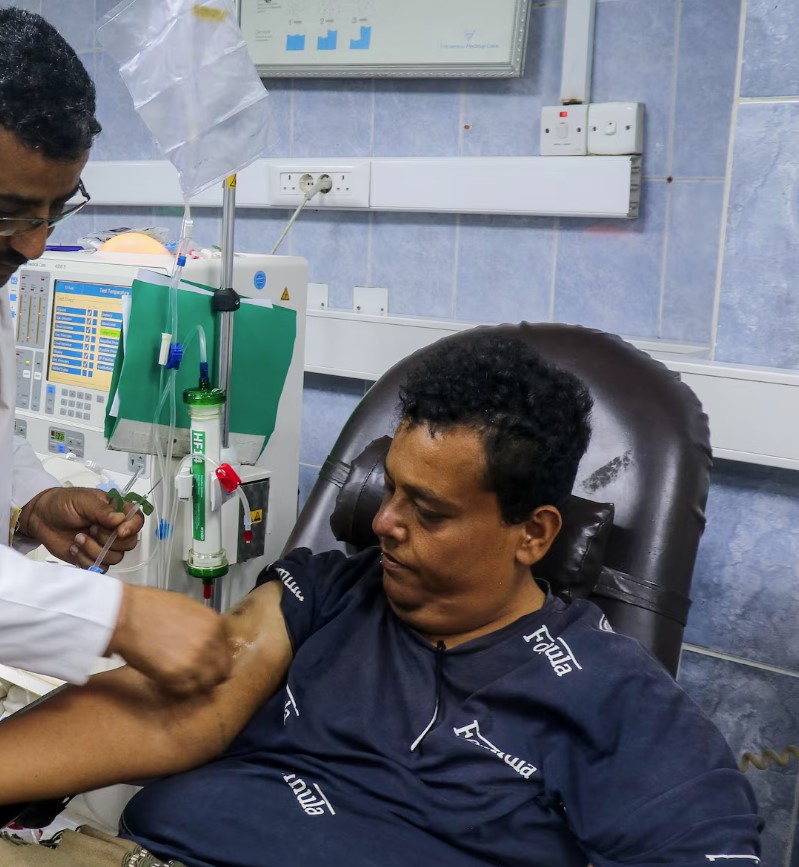
The World Food Programme says escalating fighting in Yemen has cut life-saving assistance to about 800,000 people, most of them in Taiz, the country’s third-largest city.
Escalating fighting in Yemen has cut off life-saving food assistance to about 800,000 people, the United Nations World Food Programme (WFP) said this week, as shifting front lines, blocked roads and insecurity close off the city of Taiz and other conflict zones. Aid agencies warn that hospitals are overwhelmed by wounded patients and that more than 200,000 people have fled their homes.
Most of those cut off are in Taiz, Yemen’s third-largest city, which is encircled by Houthi forces and is also the main refuge for families displaced by the front lines. WFP said it cannot reach more than 600,000 people in the city who depend on its assistance, and that wheat flour stocks there are nearly gone. The agency has no date for reopening the roads.
“This is the kind of situation that can rapidly spiral into a humanitarian catastrophe,” said El-Khidir Daloum, WFP’s country director in Yemen, referring to the risk if aid cannot move safely to those who need it.
The escalation has also hit the agency’s own operations. WFP said its offices have been breached, assets and food stocks lost, and critical supply routes cut off. Seventy-two UN staff remain detained by the Houthi de facto authorities, including 37 WFP employees, and both WFP and UN Secretary-General António Guterres have called for their release. Despite the restrictions, WFP teams have delivered emergency aid to more than 115,000 newly displaced people, and say assistance could expand to 1.5 million once access returns. The agency says it needs $268 million to sustain emergency food, nutrition, school meals and logistics through 2027.
The wounded are adding to the strain. The International Committee of the Red Cross (ICRC) said front-line hospitals are treating large numbers of war-wounded while running short of surgical supplies, anaesthetics, oxygen and medicines. Firas Abu Samra, the ICRC’s health services coordinator, said only a handful of facilities in Yemen can provide comprehensive care for the injured. The ICRC warned that the health system, already exhausted by more than a decade of conflict, economic crisis, displacement and disease outbreaks, may struggle to cope with a mass influx of casualties if fighting intensifies.
In Taiz, medical officials said the main hospital’s stocks of life-saving supplies will run out in less than two weeks. A doctor there said more than 650 patients with kidney failure are at risk, as are infants in incubators and patients in intensive care, according to the news programme Democracy Now.
Also Read: Over 130,000 Displaced in Yemen as Fighting Spreads Along Western Coast
The International Organization for Migration counts more than 200,000 people uprooted since the latest round of fighting began. The clashes pit the Houthi movement, which is backed by Iran, against government forces supported by Saudi Arabia, and follow Houthi missile and drone strikes on Saudi territory, including attacks on Riyadh’s airport. Saudi-backed forces have announced a ground operation they describe as an effort to free Yemen from the Houthis, while the Houthis have said their strikes are retaliation for Saudi-led attacks and have claimed attacks on Saudi targets, including the headquarters of the state oil company Aramco. Those claims have not been independently verified, and both sides continue to trade accusations.
For Yemen’s civilians, the political arguments matter less than the practical ones: whether trucks can pass, whether clinics have oxygen, whether a family in Taiz can find flour. Earlier this month, UN data showed that more than 22 million people in Yemen needed humanitarian assistance, with about 18 million facing acute food insecurity, before the latest escalation cut access further.
Aid groups say the response depends on two things. The first is access: safe corridors, open roads and the release of detained staff. The second is money. WFP’s request for $268 million is meant to keep operations running through 2027, and shortfalls in funding have repeatedly forced Yemen’s aid agencies to cut rations. If both conditions are not met, officials warn the situation could deteriorate quickly, especially in Taiz, where winter is approaching and food, fuel and medical supplies are running low.
The fighting shows no sign of easing. Saudi Arabia has threatened a decisive response to the airport attacks, the Houthis have promised more strikes, and the United States has said it is weighing its options. Humanitarian agencies, which have no part in the conflict, are calling on all sides to allow aid to reach those in need. For the 800,000 people now cut off, the question is how long they can wait.


Tesla’s long-delayed Roadster performed a mid-air “kick flip” using compressed-air thrusters during a livestreamed unveiling at a SpaceX facility in Texas on Thursday.
The World Food Programme says escalating fighting in Yemen has cut life-saving assistance to about 800,000 people, most of them in Taiz, the country’s third-largest city.

The GBU-43/B Massive Ordnance Air Blast bomb, the largest non-nuclear weapon in the US arsenal, is among the options reportedly drawn up for possible renewed strikes on Iran, according to CNN. The report has not been independently verified.
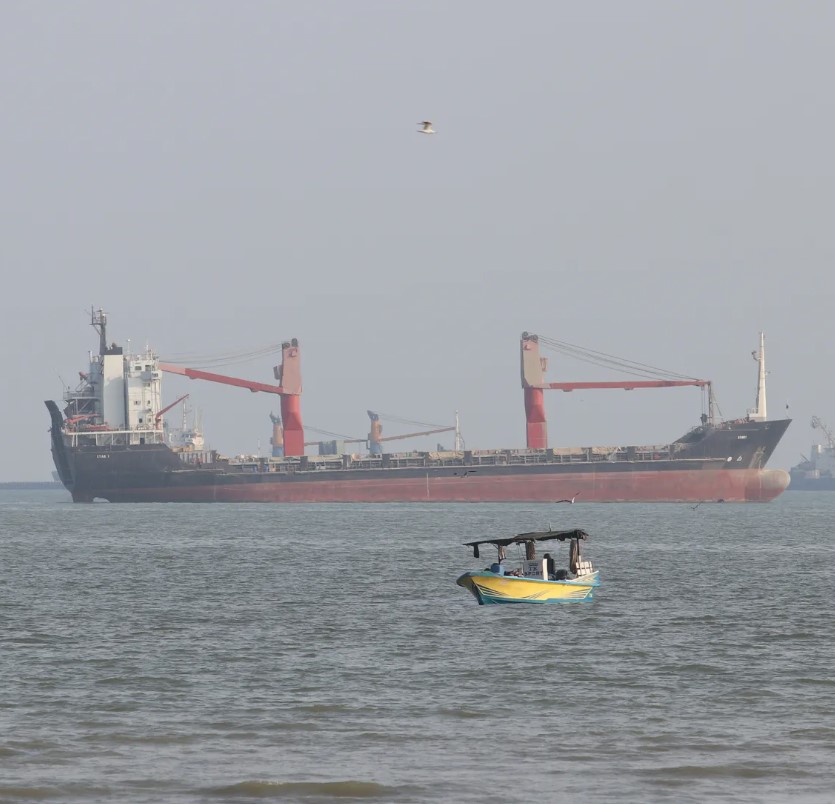
Iran’s Revolutionary Guard says a container ship carrying more than 2,500 containers sank near the Strait of Hormuz after hitting a naval mine, while shipping officials report two Singapore-registered vessels were hit by unknown projectiles.