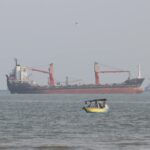
Yemeni families who crossed the Bab el-Mandeb Strait by boat are received in Obock, Djibouti, as escalating fighting on Yemen’s west coast forces tens of thousands from their homes.
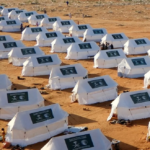


Yemeni families who crossed the Bab el-Mandeb Strait by boat are received in Obock, Djibouti, as escalating fighting on Yemen’s west coast forces tens of thousands from their homes.
More than 130,000 people have fled their homes in Yemen since the beginning of September as fighting spreads across multiple front lines along the country’s western coast, the UN refugee agency said this week, marking one of the sharpest surges in displacement since hostilities in the region reignited.
UNHCR spokesperson Babar Baloch told reporters in Geneva that the crisis is intensifying rapidly, with the city of Taiz in southwestern Yemen emerging as the epicenter, accounting for more than 60 percent of the overall displacement recorded so far. The fighting has uprooted families across Al Hodeidah, Ta’iz, Lahj, Aden, Abyan, Marib, Al Dhaleh and Shabwah governorates, according to the agency, with officials warning that further escalation could trigger even larger movements of people both within Yemen and across its borders.
Much of the displacement has been sudden, with families leaving at short notice and few belongings. But UNHCR has also raised concerns about those who have been unable to leave at all. Many families remaining within Taiz governorate are unable to move to safer locations because of fighting, blocked roads or a lack of transportation fuel, Baloch said, with some sheltering inside homes or in caves as ground clashes, aerial bombardment and sniper fire continue around them.
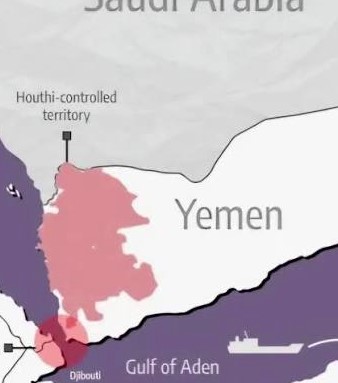
The current wave of displacement follows a rapid advance by Houthi fighters down Yemen’s western coast toward the Bab el-Mandeb Strait in recent weeks, alongside clashes involving Yemeni government forces. The International Organization for Migration has separately reported that nearly 94,000 people were newly displaced across Yemen as the fighting intensified earlier in the month, a figure that has continued to climb as the conflict has spread to additional governorates.
Thousands of people have also crossed the narrow Bab el-Mandeb Strait into neighboring Djibouti, most arriving by boat. UNHCR’s representative in Djibouti, Sandrine Dessimour, said during a briefing in Geneva that ongoing hostilities have triggered mass flight by thousands of families, with roughly 3,000 people crossing the Gulf of Aden into Djibouti in under a week at one point during the escalation. Djiboutian authorities are preparing to receive up to 10,000 additional refugees, a development expected to place significant strain on the country’s already limited health and education systems.
Also Read: Sudan’s El Obeid Faces Growing Siege as UN Warns of Next Humanitarian “Catastrophe”
UNHCR teams have been deployed to the Djiboutian town of Obock to help manage the influx, with new arrivals transferred from coastal landing points to the Markazi refugee village for registration and further assistance. The agency, working alongside the Djiboutian government and the national refugee authority, has been providing transport, temporary shelter, relief items, food, water, health care and protection services to those arriving. Officials have characterized the movement as primarily a flight from conflict and insecurity, saying those arriving are seeking international protection and should be received and assisted accordingly. Djibouti has a long history of hosting refugees from the region and has kept its borders open throughout the latest surge in arrivals.
The scale of need is colliding with a significant funding shortfall. UNHCR’s operation in Djibouti is currently only about 15 percent funded, while the agency’s broader Yemen appeal for 2026 had received just $34 million of the $194 million required even before this latest round of fighting began. UNHCR has said it needs an estimated $14 million just to meet the immediate needs of newly displaced families inside Yemen. Aid workers say insecurity, damaged roads, telecommunications disruptions and movement restrictions are complicating relief operations, particularly along the west coast and between Ta’iz, At Turbah and Aden, making it harder to reach some of the areas with the greatest needs.
The current escalation adds to a humanitarian emergency that has been building for more than a decade. Before this latest surge, more than 5.2 million people were already internally displaced inside Yemen, and an estimated 22.3 million people — more than half the country’s population — are expected to need humanitarian assistance in 2026, according to UNHCR. The agency notes that climate-related disasters, particularly flooding, now account for the majority of new displacements nationwide, even as conflict-driven displacement spikes again in the west.
Yemen also continues to host tens of thousands of refugees and asylum seekers, mainly from Somalia and Ethiopia, and remains the only country on the Arabian Peninsula to have acceded to the 1951 Refugee Convention and its 1967 Protocol, a status that has made it both a place of asylum and a transit point for people on the move across the region. UN agencies, including UNICEF, have continued targeted support work in areas such as Marib, providing assistance to displaced children and families even as the broader response remains constrained by funding gaps and access challenges. Humanitarian officials say sustained international support will be essential both to meet needs inside Yemen and to help Djibouti absorb the growing number of people crossing its border.
Displacement figures cited here are based on estimates from UN agencies and humanitarian partners and may be revised as access to affected areas improves or as the situation continues to evolve.

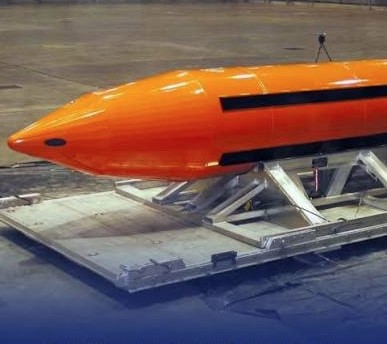
The GBU-43/B Massive Ordnance Air Blast bomb, the largest non-nuclear weapon in the US arsenal, is among the options reportedly drawn up for possible renewed strikes on Iran, according to CNN. The report has not been independently verified.
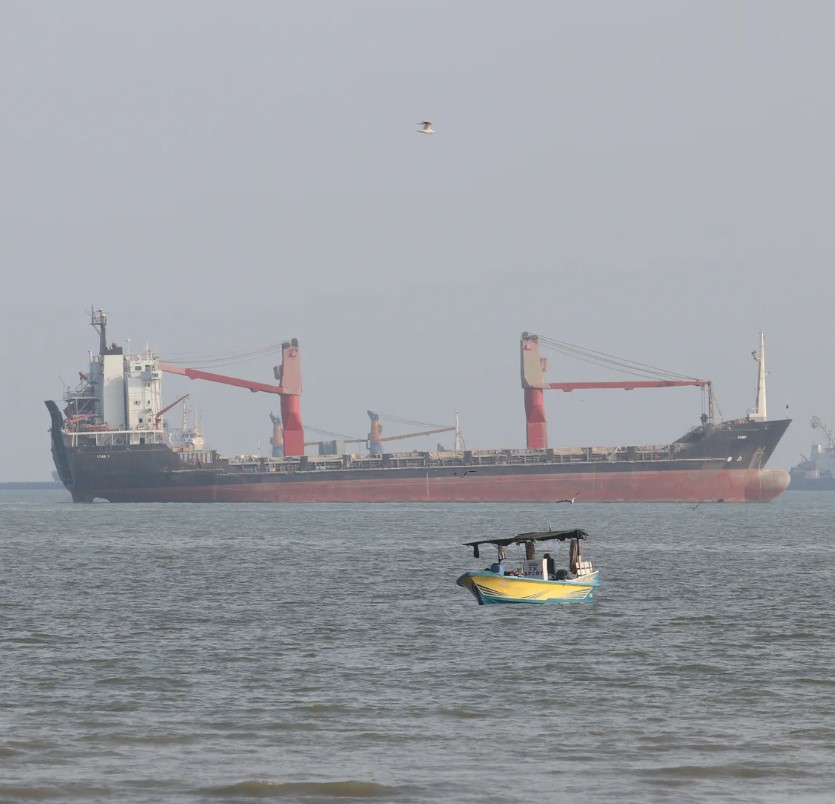
Iran’s Revolutionary Guard says a container ship carrying more than 2,500 containers sank near the Strait of Hormuz after hitting a naval mine, while shipping officials report two Singapore-registered vessels were hit by unknown projectiles.

Trucks decked with flags crossed the 3-km New Yalu River Bridge on Thursday as China and North Korea officially opened their most significant land border crossing, 12 years after the bridge was completed.

Hong Kong has added temperature checks and travel declarations for flights from Russia after a lab worker’s death in Siberia.