A camp for displaced families in El Obeid, Sudan, where the UN has warned of a possible humanitarian catastrophe as the city faces escalating attacks.


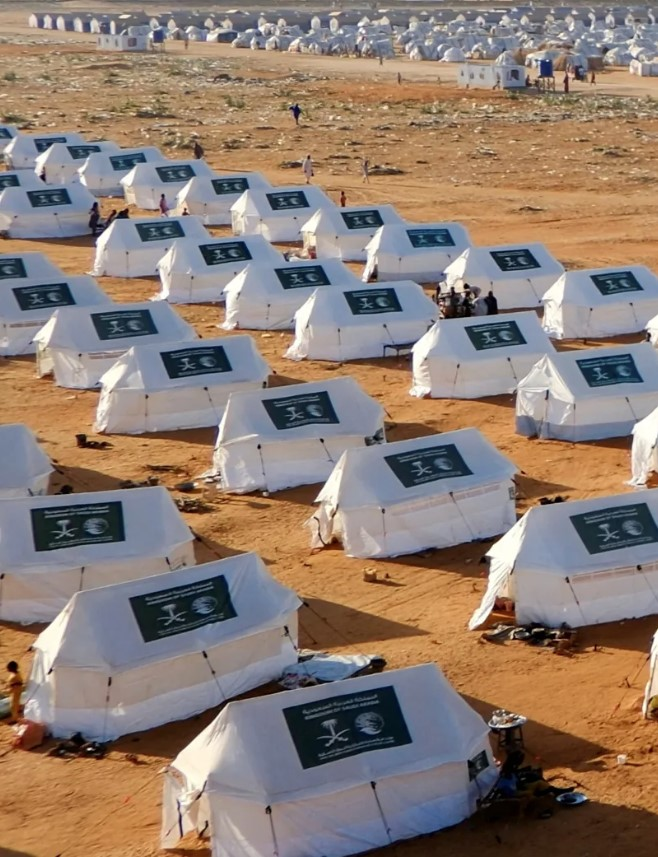
A camp for displaced families in El Obeid, Sudan, where the UN has warned of a possible humanitarian catastrophe as the city faces escalating attacks.
The central Sudanese city of El Obeid has become the latest flashpoint in the country’s grinding civil war, with the paramilitary Rapid Support Forces (RSF) tightening their encirclement of the North Kordofan capital and humanitarian officials warning that the city could face a catastrophe similar to the one that engulfed El Fasher last year.
A drone attack on Friday struck a displacement shelter and civilian infrastructure in El Obeid, killing two people and wounding 20 others, according to North Kordofan’s state government and security committee. It was the second aerial bombardment to hit the city within a week. Officials said the strike used loitering munitions and hit a shelter housing families who had already fled abuses in their home areas, along with civilian service sites elsewhere in the city. They described the attack as a violation of international humanitarian law. The RSF could not immediately be reached for comment, and the casualty figures have not been independently verified.
El Obeid sits roughly 550 kilometers southwest of Khartoum and serves as the primary gateway linking Sudan’s capital to the vast Darfur region further west. That position has made it one of the most strategically valuable cities left contested in the war, and the RSF has spent months massing forces around it. The Office of the United Nations High Commissioner for Human Rights has said the city is expected to be the site of the next major ground clashes between the RSF and Sudan’s military, and has warned of an impending humanitarian catastrophe there.
UN officials estimate that roughly half a million people remain inside El Obeid, including more than 100,000 who had already been displaced by earlier fighting elsewhere in the country and had nowhere left to flee. High Commissioner for Human Rights Volker Türk has described the city as facing relentless drone attacks from advancing paramilitary forces, warning that a large share of its infrastructure, including its power station, has already sustained damage, disrupting both electricity and water supplies for residents. The UN Human Rights Council has held urgent sessions specifically addressing the deteriorating situation in the city.
Also Read: Iran Targets U.S. Bases in Gulf as Strait of Hormuz Crisis Deepens
The comparisons being drawn to El Fasher are not incidental. That city, in North Darfur, fell to RSF forces in October 2025 in an assault that UN officials said bore the hallmarks of genocide, with estimates of tens of thousands killed in the aftermath. Drone strikes on shelters for displaced people, mosques and other civilian sites were a recurring feature of the violence there, including an attack on a mosque during morning prayers that killed at least 78 people, and a strike on a shelter for displaced families that killed more than 50, according to tallies compiled by researchers tracking the war. Aid organizations and foreign governments, including the United States, have publicly urged the RSF and allied forces to refrain from actions that endanger civilians or obstruct humanitarian assistance in North Kordofan, citing obligations under international humanitarian law.
Despite the alarm, analysts tracking the conflict describe the situation around El Obeid as a strategic stalemate rather than an imminent fall of the city. According to the Armed Conflict Location & Event Data Project (ACLED), the RSF has effectively encircled El Obeid from the north, west and south by holding key positions in the surrounding towns of Bara, Umm Sumeima and Kazgil, but Sudan’s army continues to hold a supply corridor connecting the city to territory further east. That lifeline, combined with reinforcements, makes a complete RSF takeover unlikely in the near term, according to ACLED’s assessment, even as an assault on the city remains probable.
June 2026 saw the most intense month of drone warfare around El Obeid since the war began, with 27 recorded drone strike events in the surrounding Sheikan locality, the highest monthly total on record. Researchers attribute the intensified campaign in part to the RSF’s efforts to regain momentum after losing territory in the eastern Blue Nile region, as well as internal instability and reported defections within its Darfur strongholds.
El Obeid’s crisis is unfolding against the backdrop of a war that began in April 2023, when a dispute over merging the RSF into Sudan’s regular armed forces erupted into open conflict. The fighting has since killed tens of thousands of people and displaced more than 10 million, making it one of the world’s largest displacement crises. Large parts of the country are also experiencing famine conditions, according to international monitors, with aid agencies describing chronic shortfalls in funding and access needed to respond.
Similar patterns of prolonged siege have played out elsewhere in Sudan’s Kordofan region. Nearby Kadugli, in South Kordofan, has been besieged twice since the war began, with the Sudanese army breaking an earlier siege in February 2026 only for RSF forces to encircle the city again the following month. Humanitarian officials say the recurrence of these sieges, and the civilian toll that has followed them, underscores the urgency of establishing safe corridors and sustained protection for trapped populations as the conflict grinds on with no clear resolution in sight.
This is a sensitive and rapidly evolving situation. Casualty figures, territorial control and the pace of any RSF advance are frequently disputed by the parties involved and should be treated as provisional pending independent verification.

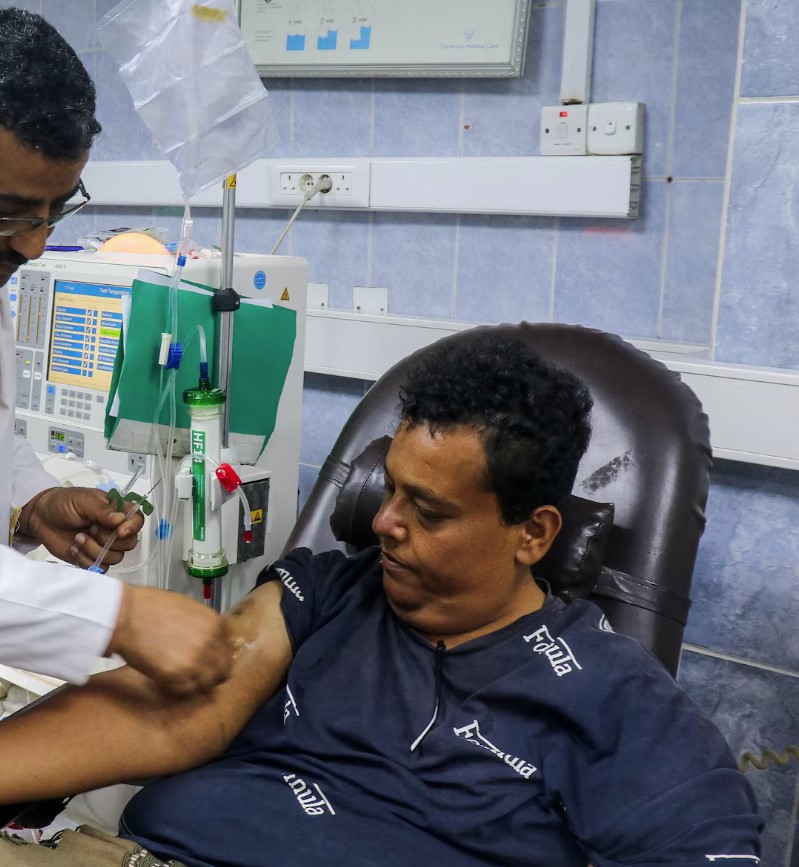
The World Food Programme says escalating fighting in Yemen has cut life-saving assistance to about 800,000 people, most of them in Taiz, the country’s third-largest city.
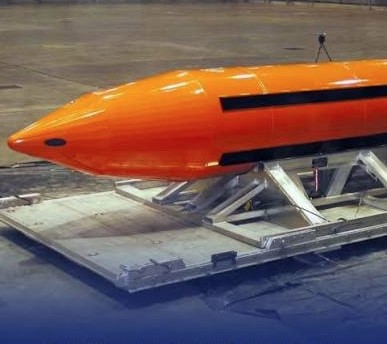
The GBU-43/B Massive Ordnance Air Blast bomb, the largest non-nuclear weapon in the US arsenal, is among the options reportedly drawn up for possible renewed strikes on Iran, according to CNN. The report has not been independently verified.
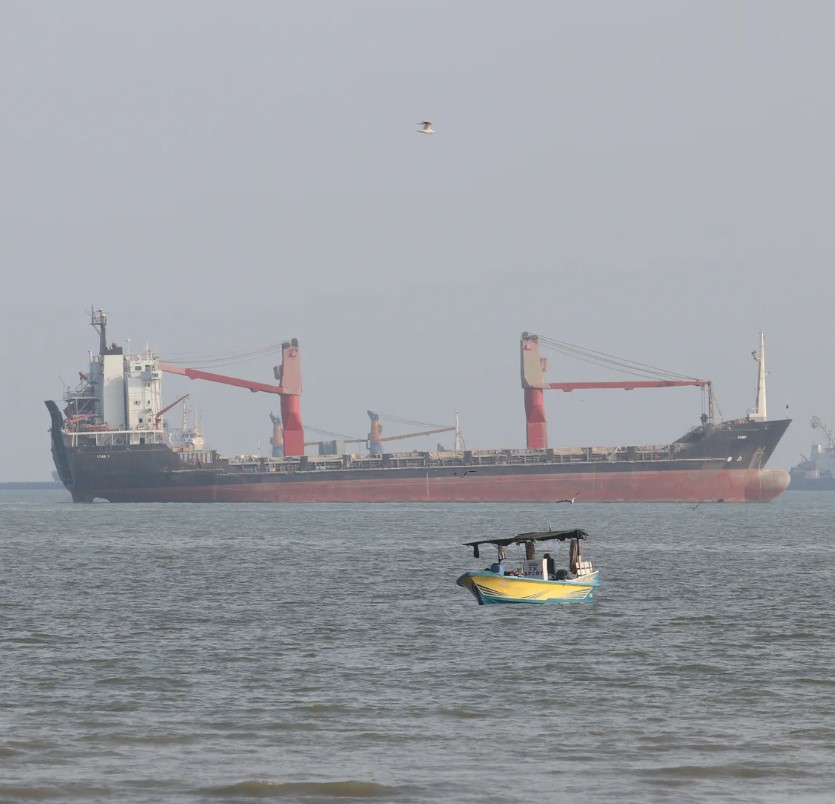
Iran’s Revolutionary Guard says a container ship carrying more than 2,500 containers sank near the Strait of Hormuz after hitting a naval mine, while shipping officials report two Singapore-registered vessels were hit by unknown projectiles.

Trucks decked with flags crossed the 3-km New Yalu River Bridge on Thursday as China and North Korea officially opened their most significant land border crossing, 12 years after the bridge was completed.